

Harnessing the Power of Wind for a Sustainable Tomorrow
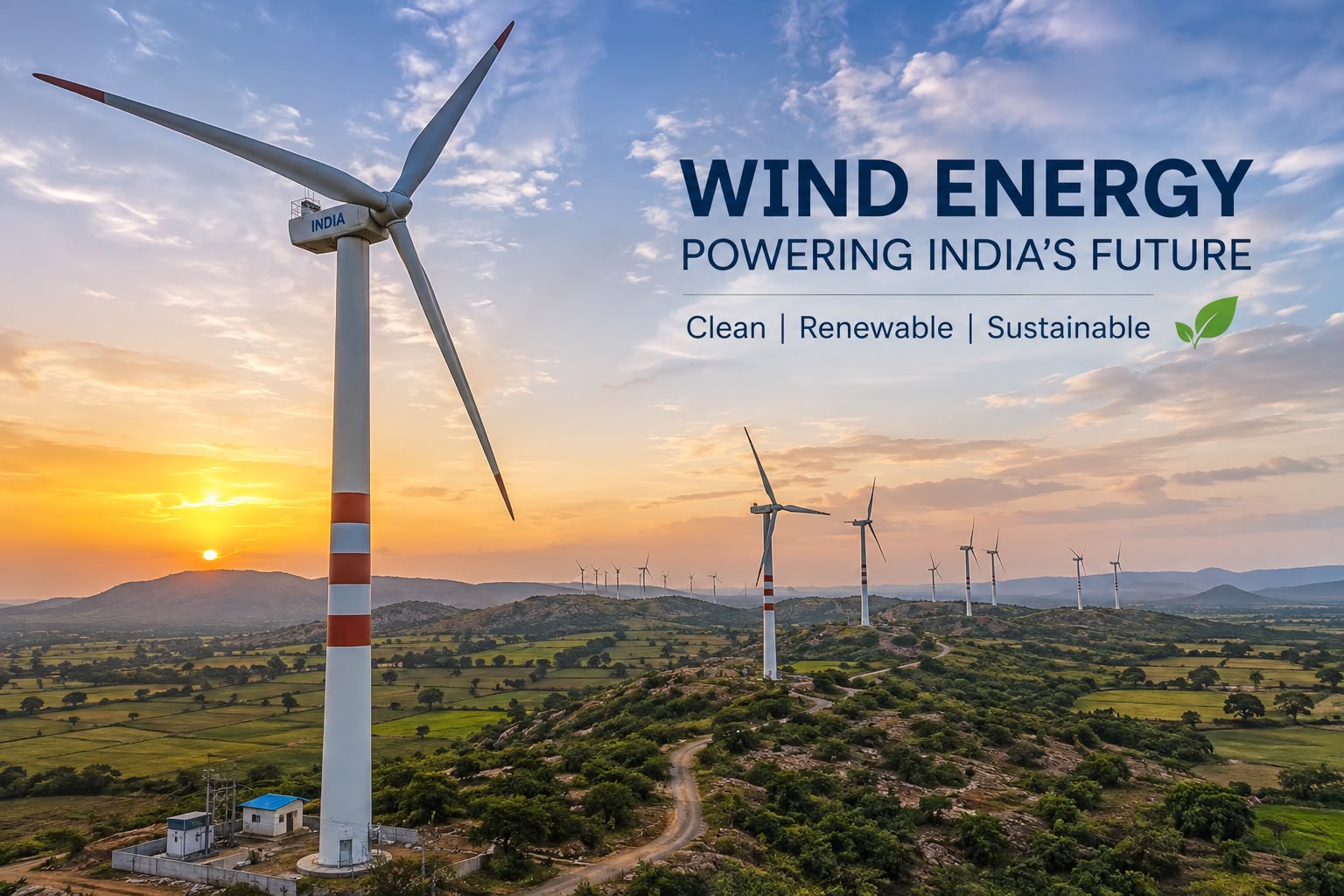
Wind Energy in India
Harnessing the Power of Wind for a Sustainable Tomorrow
As the nation works toward reducing carbon emissions, strengthening energy security, and meeting rapidly growing electricity demand, wind power continues to provide a clean, reliable, and cost-effective source of electricity. Wind energy has become one of the cornerstones of India's renewable energy transformation.
Understanding Wind Energy
Wind energy is the process of converting the kinetic energy of moving air into electrical energy using wind turbines. As wind flows across the turbine blades, it creates rotational movement that drives a generator to produce electricity. The generated electricity is then transmitted through substations and power transmission networks to homes, industries, commercial establishments, and public infrastructure.
Unlike coal or gas-based power generation, wind energy requires no fuel combustion. It produces zero greenhouse gas emissions during operation, consumes no water for electricity generation, and has minimal environmental impact when developed responsibly.
Modern wind farms consist of multiple turbines strategically installed in locations with consistently high wind speeds. Advanced monitoring systems, intelligent control technologies, and predictive maintenance ensure high operational efficiency and reliable energy production.
Why Wind Energy Matters
The global transition toward renewable energy has made wind power one of the fastest-growing sources of electricity. For India, wind energy offers a strategic solution to meet increasing power demand while addressing environmental challenges and reducing reliance on imported fossil fuels.
Key reasons wind energy is essential include:
- Clean, renewable, and inexhaustible energy source
- Significant reduction in carbon emissions
- Enhanced national energy security
- Lower dependence on imported coal, oil, and natural gas
- Stable long-term electricity generation costs
- Reduced environmental pollution
- Job creation across manufacturing, construction, operations, and maintenance
- Support for sustainable industrial development
- Contribution to India's climate commitments and renewable energy goals
Major Wind Energy States
Gujarat
Gujarat has emerged as India's leading wind energy state due to its extensive coastline, favorable wind conditions, and robust transmission infrastructure. Large-scale wind farms across Kutch, Jamnagar, and coastal regions contribute significantly to the state's renewable energy capacity.
Tamil Nadu
Tamil Nadu pioneered commercial wind energy development in India. Regions such as Muppandal have become internationally recognized for large wind installations. The state continues to be one of India's highest producers of wind-generated electricity.
Karnataka
Karnataka offers excellent wind resources across districts such as Chitradurga, Gadag, and Bellary. Combined with strong industrial demand, wind energy has become an important component of the state's power generation mix.
Maharashtra
The Satara, Sangli, Dhule, and Ahmednagar regions host numerous wind farms supporting industrial and commercial electricity demand.
Rajasthan
Rajasthan combines abundant solar and wind resources, making it an ideal location for hybrid renewable energy projects.
Andhra Pradesh
With long coastal stretches and high wind availability, Andhra Pradesh continues expanding utility-scale wind generation.
Madhya Pradesh
The state's elevated terrain and improving renewable infrastructure support steady growth in wind power installations.
Components of a Wind Energy System
A modern wind energy project consists of several interconnected components that work together to generate and transmit electricity efficiently.
Wind Turbine
The turbine captures wind energy and converts it into rotational mechanical energy.
Rotor Blades
Aerodynamically designed blades extract energy from the wind and rotate around the hub.
Nacelle
Located at the top of the tower, the nacelle houses the gearbox, generator, control systems, and braking mechanisms.
Tower
The tower elevates the turbine to heights where wind speeds are stronger and more consistent.
Generator
The generator converts mechanical energy into electrical energy suitable for transmission.
Transformer and Substation
Electricity generated by turbines is stepped up to higher voltages for efficient transmission to the electrical grid.
SCADA Monitoring System
Supervisory Control and Data Acquisition (SCADA) systems continuously monitor turbine performance, weather conditions, energy production, and equipment health.
How Wind Power is Generated
The wind power generation process involves several stages:
- Natural wind flows across turbine blades.
- Rotor blades begin rotating.
- The rotor shaft transfers mechanical energy to the generator.
- The generator converts mechanical energy into electricity.
- Power passes through transformers for voltage regulation.
- Electricity is transmitted to substations and the national grid.
- Consumers receive clean electricity through the distribution network.
Advantages of Wind Energy
Environmentally Friendly
Wind energy generates electricity without emitting carbon dioxide, sulfur dioxide, or particulate pollutants during operation.
Renewable Resource
Wind is naturally replenished and available indefinitely, making it one of the most sustainable energy resources.
Cost-Effective Operation
Although initial installation requires significant investment, operating and maintenance costs remain relatively low throughout the project's lifespan.
Water Conservation
Unlike thermal power plants, wind farms require little to no water for electricity generation, helping conserve valuable freshwater resources.
Energy Independence
Expanding domestic renewable energy reduces dependence on imported fossil fuels and improves national energy security.
Employment Generation
The wind energy industry creates thousands of jobs in manufacturing, engineering, construction, logistics, project management, operations, and maintenance.
Rural Development
Many wind projects are developed in rural areas, generating employment opportunities, improving infrastructure, and supporting local economic growth.
Challenges Facing Wind Energy
Despite its numerous benefits, wind energy development faces several challenges.
Intermittent Generation
Wind speeds fluctuate throughout the day and across seasons, affecting electricity generation.
Grid Integration
Efficient transmission infrastructure is essential for integrating large amounts of renewable energy into the power grid.
Land Availability
Utility-scale wind projects require significant land, careful planning, and environmental assessments.
Government Initiatives Supporting Wind Energy
The Government of India has introduced multiple programs and policies to accelerate wind energy deployment.
Key initiatives include:
- Competitive bidding for wind power projects
- Wind–Solar Hybrid Policy
- Green Energy Corridor for renewable transmission
- Repowering of older wind turbines
- Promotion of offshore wind energy
- Renewable Purchase Obligations (RPOs)
- Support for domestic manufacturing under the Make in India initiative
These measures encourage investment, improve grid connectivity, and strengthen India's renewable energy ecosystem.
Offshore Wind Energy
India is now expanding beyond onshore wind projects by exploring offshore wind development along the coasts of Gujarat and Tamil Nadu.
Offshore wind farms benefit from:
- Stronger and more consistent wind speeds
- Higher energy generation potential
- Larger turbine installations
- Reduced land-use conflicts
- Long-term renewable energy expansion opportunities
Although offshore projects require higher investments and specialized infrastructure, they are expected to become an important component of India's future energy landscape.
Future Outlook
India's wind energy sector is entering a new phase of growth driven by technological innovation, digital monitoring, larger turbines, hybrid renewable projects, and advanced energy storage systems.
Emerging trends include:
- AI-enabled predictive maintenance
- Smart wind farms
- Wind–solar hybrid power plants
- Battery energy storage integration
- Floating offshore wind technologies
- Digital twin technology for turbine optimization
- Green hydrogen production using renewable electricity
As renewable energy demand continues to increase, wind power will remain central to India's clean energy transition and long-term sustainable development.
Building a Greener India
Wind energy represents far more than an alternative source of electricity—it is a foundation for a cleaner environment, stronger economy, and sustainable future. Through continued innovation, strategic investment, and supportive policy frameworks, India is well positioned to harness its vast wind resources and deliver reliable, affordable, and environmentally responsible energy for generations to come.
What's Hot
-

Asian Games 2026: India Wins Double Kabaddi Gold, Medal Tally Reaches 28
-

Trump Moves to Cancel Nearly Dollar 1 Billion in Congress-Approved Funding
-

PM Modi Calls Bhajan Clubbing “Spectacular”: What It Is All About
-

Tata Aeris Launch 2026: New Compact Sedan to Replace Tigor, Price, Features, Engine, CNG and EV Details
-

India’s Semiconductor Push: Whole-of-Industry Approach to Boost Electronics Manufacturing
-

National Film Awards 2026 Winners: Yami Gautam, Kartik Aaryan, Mammootty, Pushpa 2
-

PM Kisan 24th Installment Date 2026: When Will ?2,000 Be Credited?
-

Xi Jinping's US Visit: What It Means for the World Economy
-
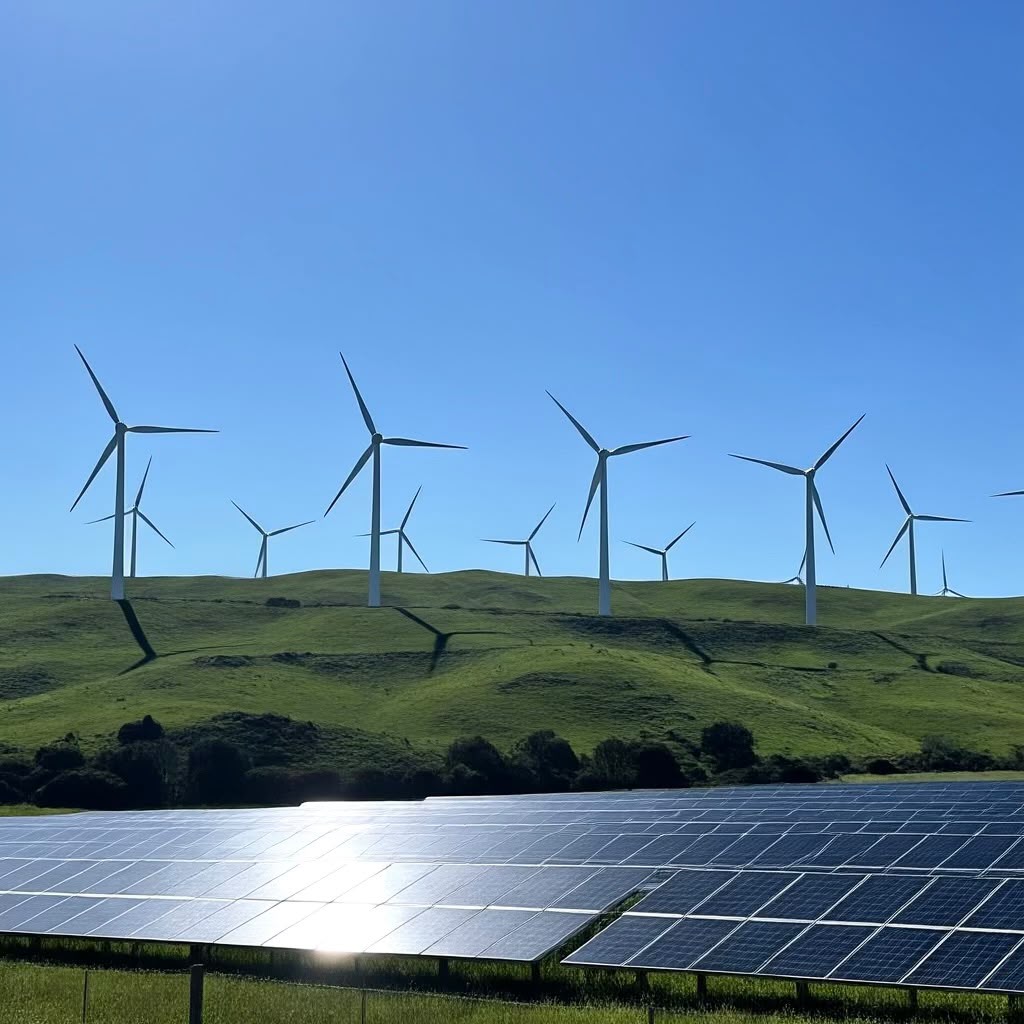
ndia is rapidly expanding renewable energy, but transmission bottlenecks and limited storage are causing clean electricity to be curtailed. Here's what it means.
-

SEO Title: Mahindra Thar OG Launched at INR 10.32 Lakh: Price, Features & Specs