

e-commerce: From a Discount-Driven Market to a Technology-Powered Economy

more than a decade, India's e-commerce sector was largely fueled by discounts, flash sales, and aggressive customer acquisition strategies. To attract and retain users, Companies competed primarily on price, often sacrificing profitability.
The next phase of growth is increasingly being driven by technology rather than discounts. Artificial Intelligence (AI), machine learning, predictive analytics, automation, personalized recommendations, and advanced logistics systems are becoming the key competitive differentiators.
This shift reflects the growing maturity of India's digital economy. Consumers are no longer shopping online solely because products are cheaper; they are increasingly choosing e-commerce platforms for convenience, faster delivery, personalized experiences, wider product selection, and secure payment options.
Job Creation and Digital Employment
The expansion of online retail has generated employment opportunities across logistics, warehousing, technology, digital marketing, customer support, fintech, and supply chain management. As companies invest in AI and automation, demand for skilled professionals in data analytics, software development, and digital operations is also increasing.
Boost to Small Businesses and MSMEs
E-commerce platforms have enabled millions of small businesses, local manufacturers, and entrepreneurs to access national and even international markets without investing heavily in physical infrastructure. This democratization of commerce is helping MSMEs expand their customer base and increase revenues.
Growth of Digital Infrastructure
The sector has accelerated investments in digital payments, cloud computing, fulfillment centers, transportation networks, and last-mile delivery systems. These investments contribute to broader economic development and improve productivity across industries.
Financial Inclusion and Digital Payments
The rise of e-commerce has strengthened India's digital payments ecosystem, encouraging greater adoption of UPI, digital wallets, and online banking services. This has helped bring more consumers and businesses into the formal financial system.
The Next Growth Frontier
The future growth of India's e-commerce industry will likely be driven by Tier-2 and Tier-3 cities, where internet penetration and digital literacy continue to improve. AI-powered regional language support, hyper-personalized shopping experiences, and faster delivery networks are expected to unlock millions of new customers.
As the market moves beyond price wars and toward innovation-led growth, e-commerce is evolving from a retail channel into a critical pillar of India's digital economy.
What It Means for India's Economy
The continued expansion of e-commerce could contribute significantly to India's GDP growth by increasing consumer spending, encouraging entrepreneurship, attracting domestic and foreign investment, and enhancing productivity across the retail ecosystem.
More importantly, the shift from a discount-driven model to a technology-driven model signals that India's e-commerce sector is becoming more sustainable, efficient, and value-creating. If current trends continue, e-commerce will not only transform how Indians shop but also play a crucial role in shaping India's journey toward becoming a multi-trillion-dollar digital economy.
What's Hot
-

Asian Games 2026: India Wins Double Kabaddi Gold, Medal Tally Reaches 28
-

Trump Moves to Cancel Nearly Dollar 1 Billion in Congress-Approved Funding
-

PM Modi Calls Bhajan Clubbing “Spectacular”: What It Is All About
-

Tata Aeris Launch 2026: New Compact Sedan to Replace Tigor, Price, Features, Engine, CNG and EV Details
-
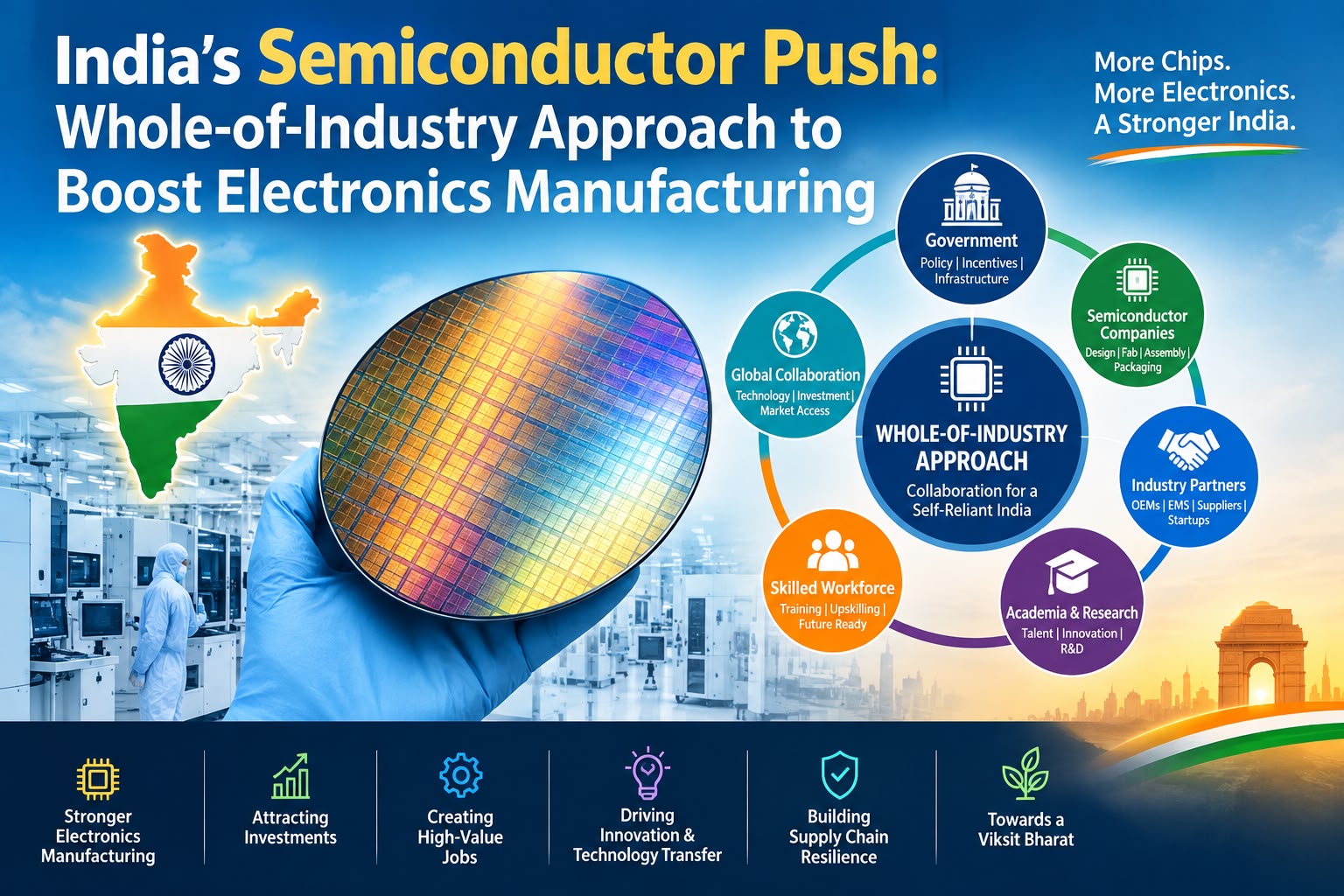
India’s Semiconductor Push: Whole-of-Industry Approach to Boost Electronics Manufacturing
-

National Film Awards 2026 Winners: Yami Gautam, Kartik Aaryan, Mammootty, Pushpa 2
-

PM Kisan 24th Installment Date 2026: When Will ?2,000 Be Credited?
-

Xi Jinping's US Visit: What It Means for the World Economy
-
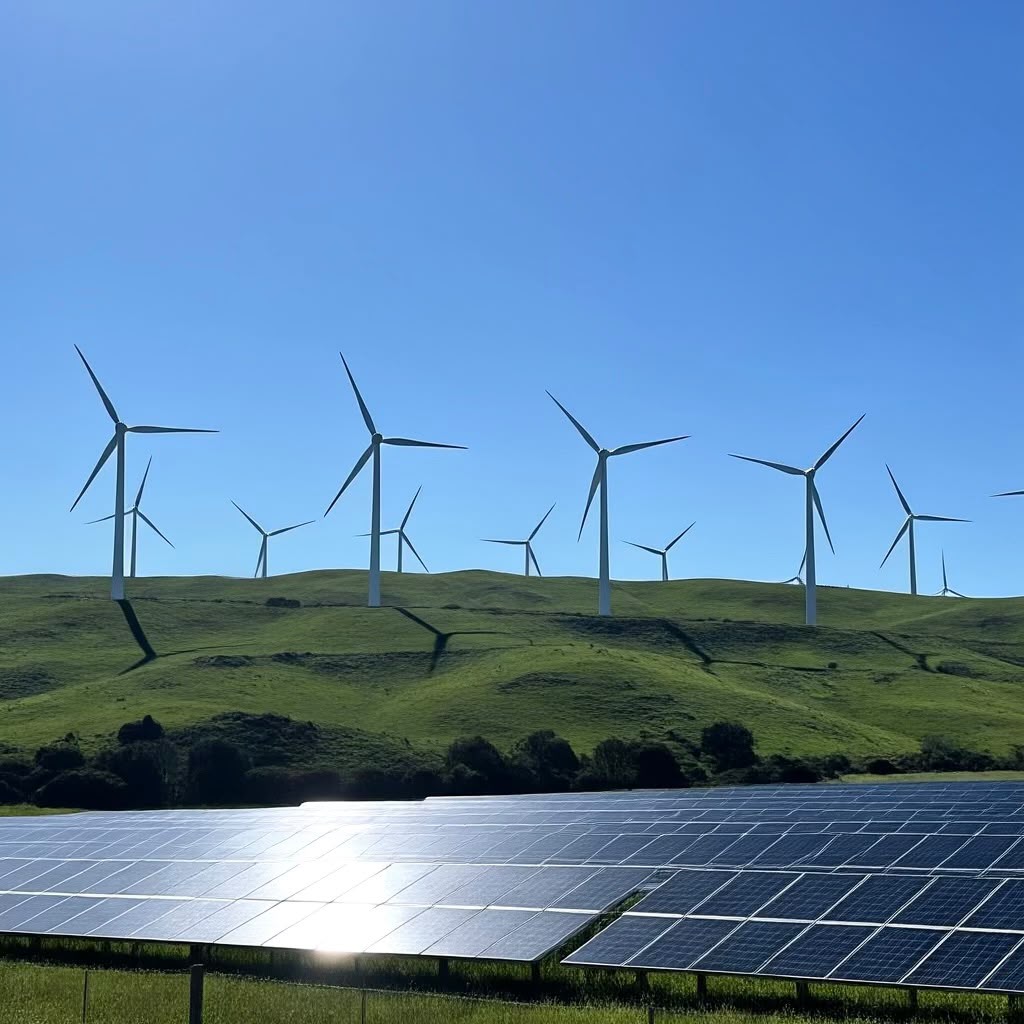
ndia is rapidly expanding renewable energy, but transmission bottlenecks and limited storage are causing clean electricity to be curtailed. Here's what it means.
-

SEO Title: Mahindra Thar OG Launched at INR 10.32 Lakh: Price, Features & Specs