

India's E-Commerce Market to Grow 12.4% in 2026, Reaching ?19.7 Trillion: What Is Driving the Boom?

From a "discount-driven" model to a "technology-driven" model, Growth of India’s e-commerce creating a major shift and Empact on Indian economy. The next winners are likely to be companies that successfully combine AI, digital payments, logistics efficiency, and regional personalization rather than relying solely on price cuts. As internet adoption deepens in smaller cities, India's next 100 million online shoppers could become the biggest driver of e-commerce growth through 2030.
India's e-commerce market is expected to grow by 12.4% in 2026, reaching ?19.7 trillion ($225.9 billion).
The forecast follows an estimated 11.3% growth in 2025, when the market reached approximately ?17.5 trillion ($200.9 billion).
Beyond Growth Numbers: Why India's E-Commerce Story Matters
The projected expansion is not merely a reflection of rising online shopping volumes. It signals a broader structural shift in how Indian consumers discover, evaluate, and purchase products.
Unlike developed markets where e-commerce growth has begun to mature, India remains in an expansion phase. Large sections of the population are still entering the digital economy for the first time, creating significant room for future growth.
The combination of affordable smartphones, low-cost internet access, digital payment infrastructure, and expanding logistics networks has created an ecosystem capable of supporting sustained e-commerce adoption across the country.
Tier-2 and Tier-3 Cities Are Becoming the New Growth Engines
While metropolitan cities continue to contribute significantly to online sales, the next phase of growth is increasingly being driven by smaller cities and towns.
Consumers in Tier-2 and Tier-3 markets are embracing online shopping at a rapid pace due to improving internet connectivity and greater access to digital payment solutions. These markets are also witnessing rising disposable incomes and increasing exposure to online brands through social media and digital content.
Artificial Intelligence Is Reshaping Digital Retail
One of the most significant developments in India's e-commerce landscape is the growing use of Artificial Intelligence.
Major online retailers are deploying AI-powered recommendation engines, personalized search experiences, chatbots, and predictive analytics to improve customer engagement and increase conversion rates.
AI is also transforming backend operations by helping businesses forecast demand more accurately, optimize inventory levels, reduce logistics costs, and improve delivery efficiency.
Digital Payments Continue to Fuel Consumer Confidence
India's digital payments ecosystem remains one of the strongest pillars supporting e-commerce growth.
The widespread adoption of UPI, mobile wallets, and instant payment systems has made online transactions faster, safer, and more convenient. Consumer trust in digital payments has improved substantially over the past few years, reducing one of the traditional barriers to online shopping.
Challenges Remain Despite Strong Growth
Despite the optimistic outlook, the sector still faces several challenges.
Profitability remains a concern for many e-commerce companies as competition drives aggressive discounting and customer acquisition costs remain high. Logistics expenses, product returns, regulatory compliance, and cybersecurity risks also continue to pressure margins.
In addition, quick-commerce players are intensifying competition by promising deliveries within minutes, forcing traditional e-commerce companies to rethink their fulfillment strategies.
What's Hot
-

Asian Games 2026: India Wins Double Kabaddi Gold, Medal Tally Reaches 28
-

Trump Moves to Cancel Nearly Dollar 1 Billion in Congress-Approved Funding
-

PM Modi Calls Bhajan Clubbing “Spectacular”: What It Is All About
-

Tata Aeris Launch 2026: New Compact Sedan to Replace Tigor, Price, Features, Engine, CNG and EV Details
-

India’s Semiconductor Push: Whole-of-Industry Approach to Boost Electronics Manufacturing
-

National Film Awards 2026 Winners: Yami Gautam, Kartik Aaryan, Mammootty, Pushpa 2
-

PM Kisan 24th Installment Date 2026: When Will ?2,000 Be Credited?
-

Xi Jinping's US Visit: What It Means for the World Economy
-
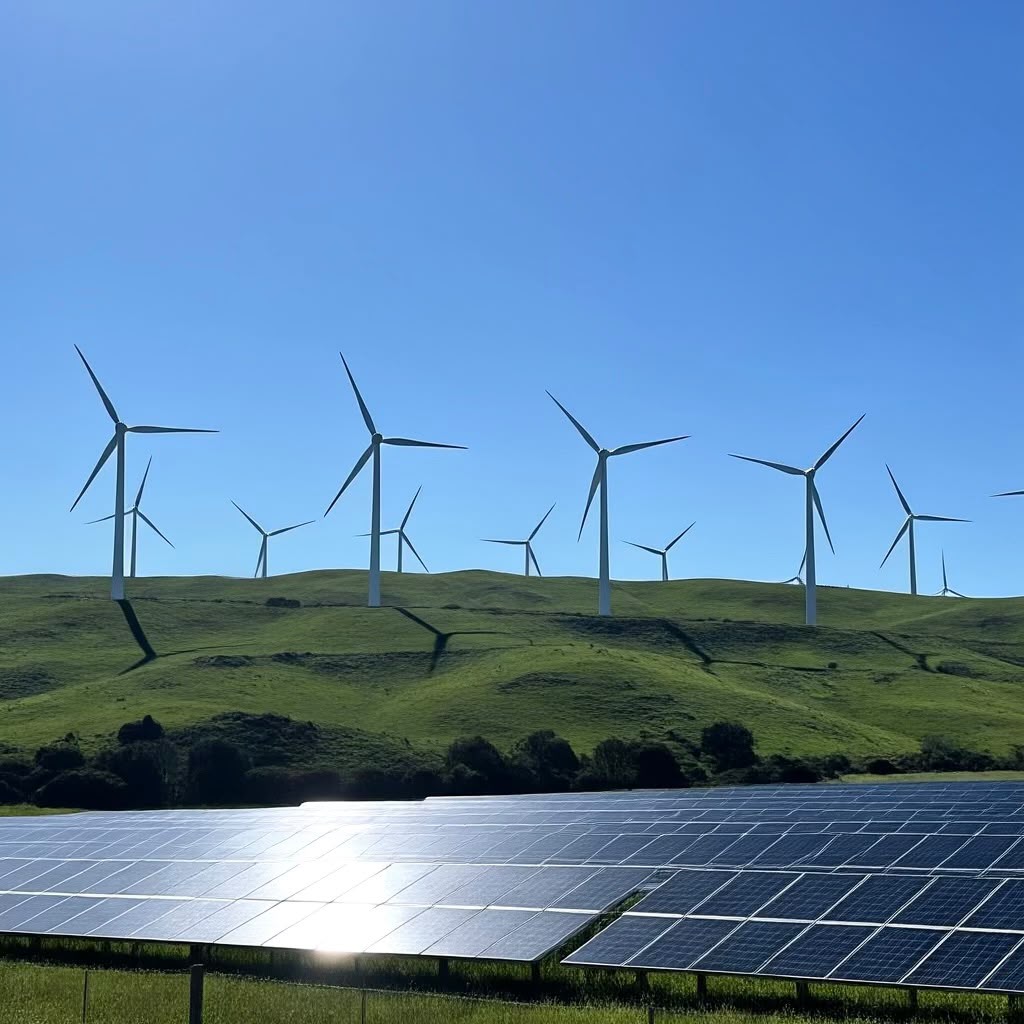
ndia is rapidly expanding renewable energy, but transmission bottlenecks and limited storage are causing clean electricity to be curtailed. Here's what it means.
-

SEO Title: Mahindra Thar OG Launched at INR 10.32 Lakh: Price, Features & Specs