

Xi Jinping India Visit 2026: What His Return Means for India-China Relations
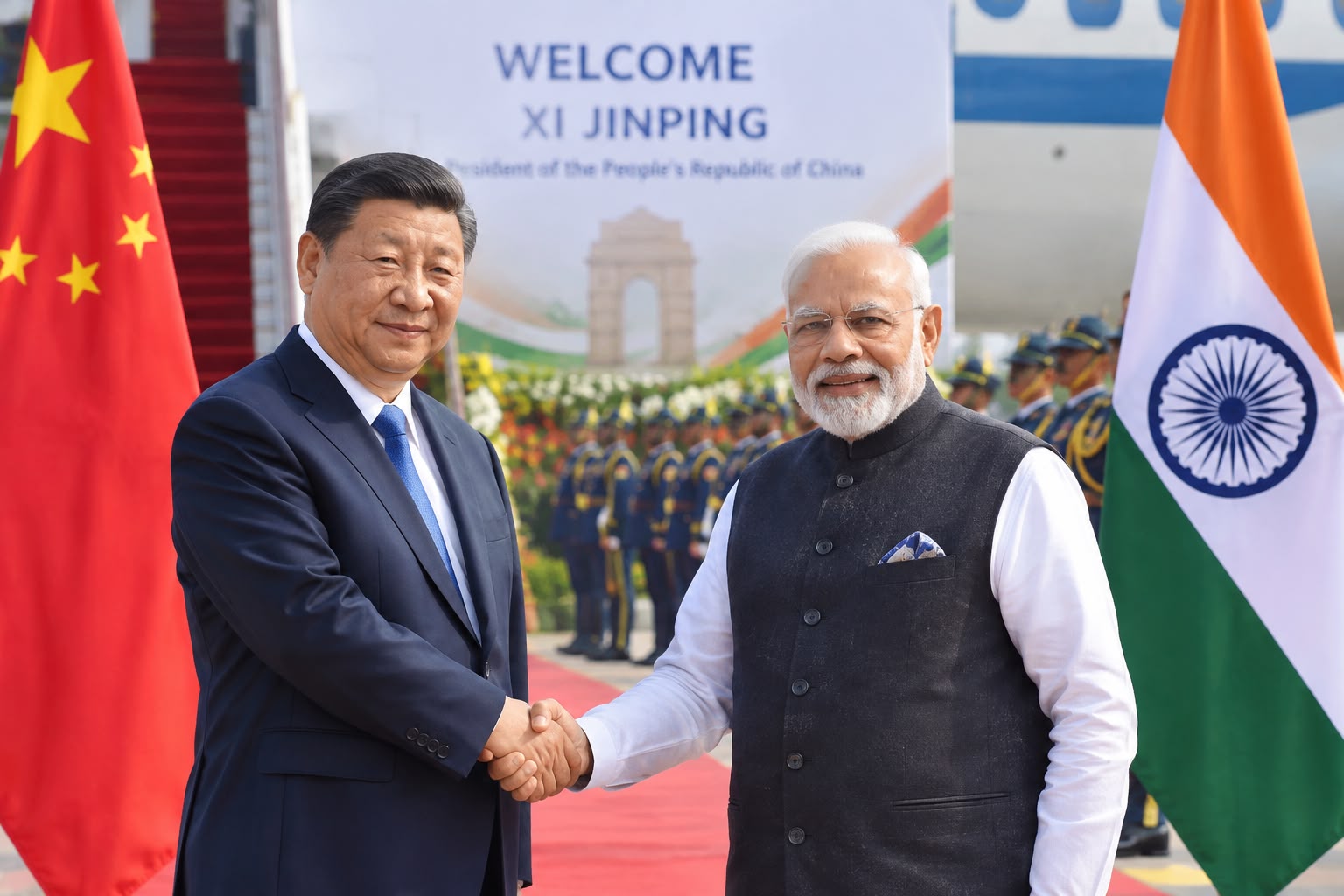
Xi Jinping India Visit After 7 Years: What the Chinese President’s Return Means for India
Chinese President Xi Jinping is set to visit India on September 12–13, 2026, to attend the 18th BRICS Summit in New Delhi. His visit is being closely watched because it comes after years of strained India-China relations and marks his first trip to India since 2019.
The visit also comes at a significant moment for New Delhi. India is hosting the BRICS Summit as its 2026 chair, with the agenda focused on resilience, innovation, cooperation and sustainability.
Why Is Xi Jinping’s India Visit Important?
Xi Jinping's return to India carries considerable diplomatic significance. Relations between New Delhi and Beijing deteriorated sharply following the 2020 Galwan Valley clash, which resulted in the deaths of Indian soldiers and created a prolonged military and political trust deficit.
Since then, both countries have gradually attempted to stabilise ties through diplomatic and military discussions. The latest visit could provide an opportunity for India and China to move further from confrontation towards what analysts describe as cautious or competitive coexistence.
Modi-Xi Meeting Could Be the Biggest Highlight
One of the most closely watched developments will be a possible bilateral meeting between Prime Minister Narendra Modi and Xi Jinping on the sidelines of the BRICS Summit.
Such a meeting would be particularly significant because it would represent the first bilateral talks between the two leaders in India since the 2020 border crisis. Discussions are expected to focus on the Line of Actual Control (LAC), border stability, trade and broader bilateral relations.
Border Security Remains India's Top Priority
For India, improving relations with China does not mean ignoring unresolved security concerns.
The border issue remains the biggest challenge in bilateral relations. New Delhi is likely to seek greater clarity and stability along the LAC while ensuring that any improvement in economic relations does not compromise India's strategic interests.
A successful diplomatic engagement could help reduce tensions, improve communication between the two sides and create conditions for further confidence-building measures.
Economic Relations Could Get a Boost
India and China remain important trading partners despite political tensions.
Indian businesses rely on Chinese machinery, components, electronics-related inputs and other industrial products. At the same time, China has a major interest in India's rapidly growing consumer and manufacturing market.
However, economic cooperation continues to face regulatory restrictions, investment scrutiny, visa challenges and concerns over supply-chain dependence. Reuters reported that despite signs of a diplomatic thaw, substantial mistrust remains on both sides.
The Xi visit could therefore open discussions around making trade and business relations more predictable without compromising India's national-security concerns.
What China Wants From Better Relations With India
The visit is also important from China's perspective.
China is dealing with intense geopolitical competition with the United States and increasing strategic competition across the Indo-Pacific. India, meanwhile, has strengthened relationships with the US, Japan, Europe and other partners while maintaining its policy of strategic autonomy.
Improved relations with New Delhi could therefore help Beijing reduce tensions on another major front.
For India, this creates diplomatic space to negotiate from a position of greater strategic confidence.
BRICS Gives India a Bigger Diplomatic Platform
Xi's visit is taking place during India's BRICS presidency, making the timing especially significant.
The 18th BRICS Summit will be held at Bharat Mandapam in New Delhi on September 12–13. India has made “Building for Resilience, Innovation, Cooperation and Sustainability” the guiding theme of its BRICS chairship, with a focus on global governance, economic cooperation, energy and food security, technology and sustainable development.
The summit gives India an opportunity to demonstrate its ability to engage simultaneously with major global powers while maintaining strategic autonomy.
What Should India Expect From the Visit?
The Xi visit should not automatically be interpreted as a complete reset in India-China relations.
The two countries continue to have significant differences over the border, trade, investment, technology and regional security.
However, even limited progress could be valuable.
Possible positive outcomes could include:
- Further reduction of border tensions
- Improved military-to-military communication
- Greater stability along the LAC
- Easier business and travel links
- Reduced trade and regulatory friction
- Greater cooperation in selected economic sectors
- Stronger coordination within BRICS
A New Phase of India-China Relations?
Xi Jinping's return to India represents an important diplomatic moment.
For New Delhi, the objective will likely be to balance engagement with China and strategic caution. India needs stable borders and economic opportunities, but it also wants to protect its security interests and avoid excessive dependence on any single country.
The real significance of the visit will therefore depend not on the photographs or statements from the BRICS Summit, but on what happens afterwards.
If the Modi-Xi engagement produces concrete progress on the border, trade and communication, Xi's India visit could become an important milestone in the gradual stabilisation of India-China relations.
What's Hot
-
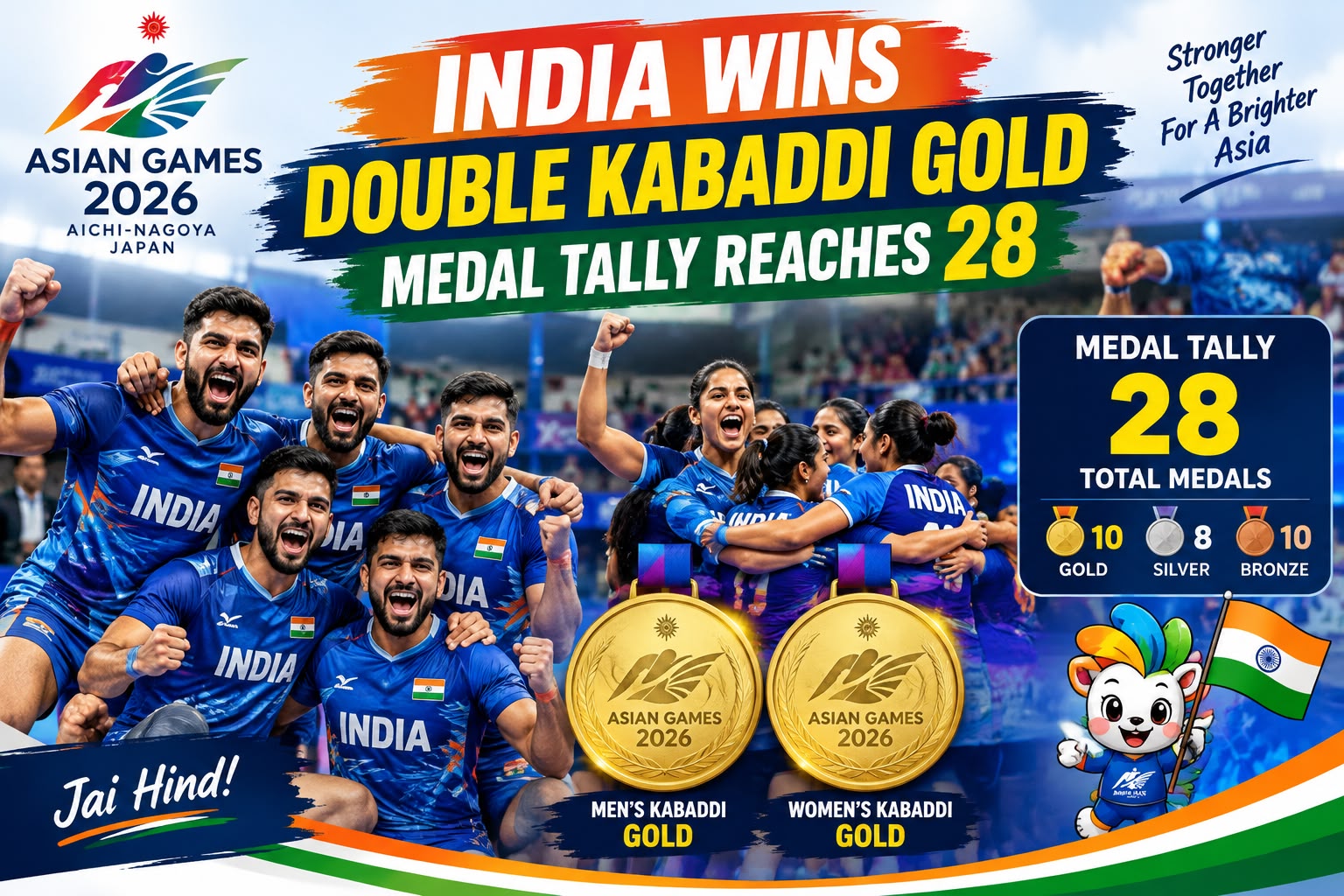
Asian Games 2026: India Wins Double Kabaddi Gold, Medal Tally Reaches 28
-
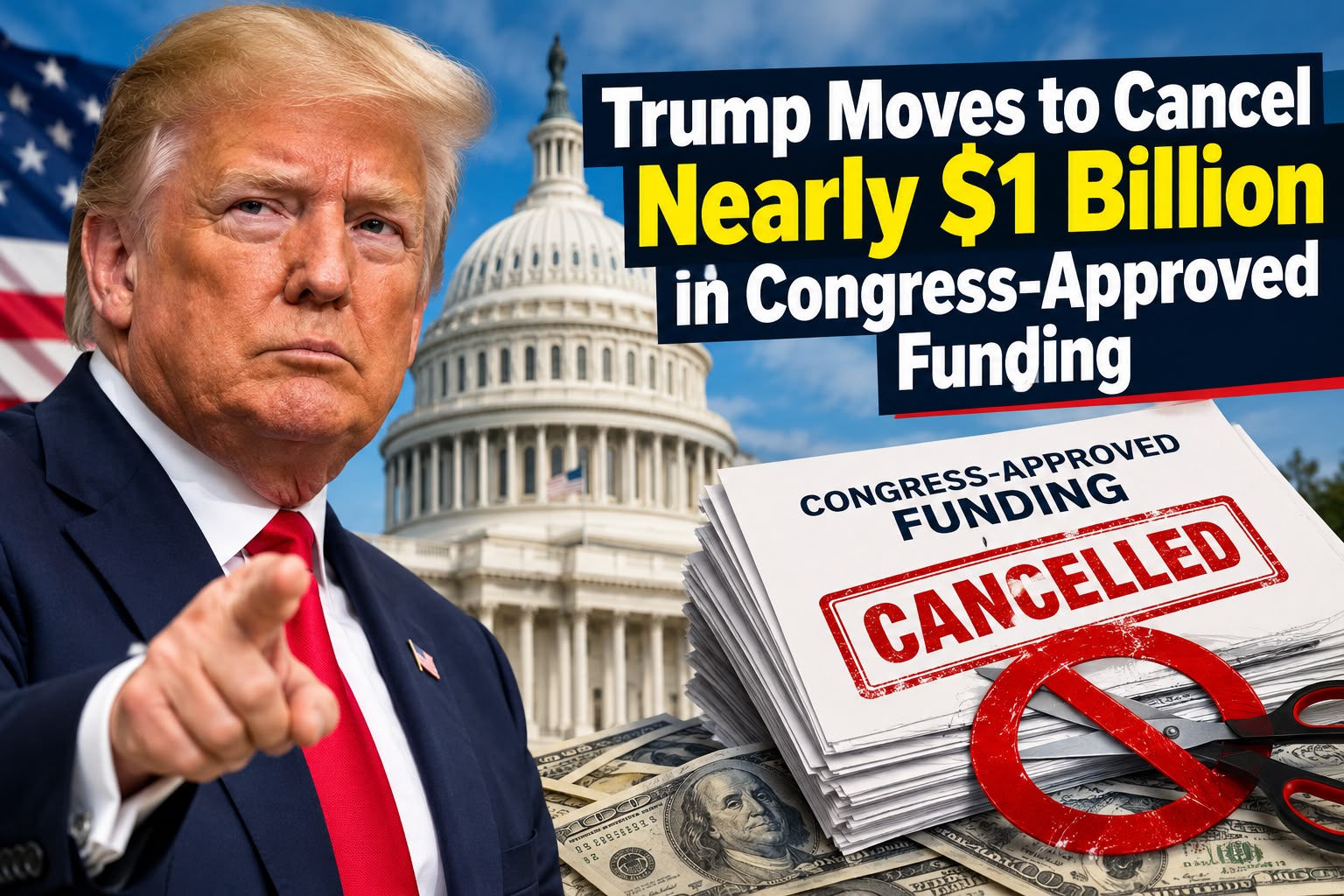
Trump Moves to Cancel Nearly Dollar 1 Billion in Congress-Approved Funding
-
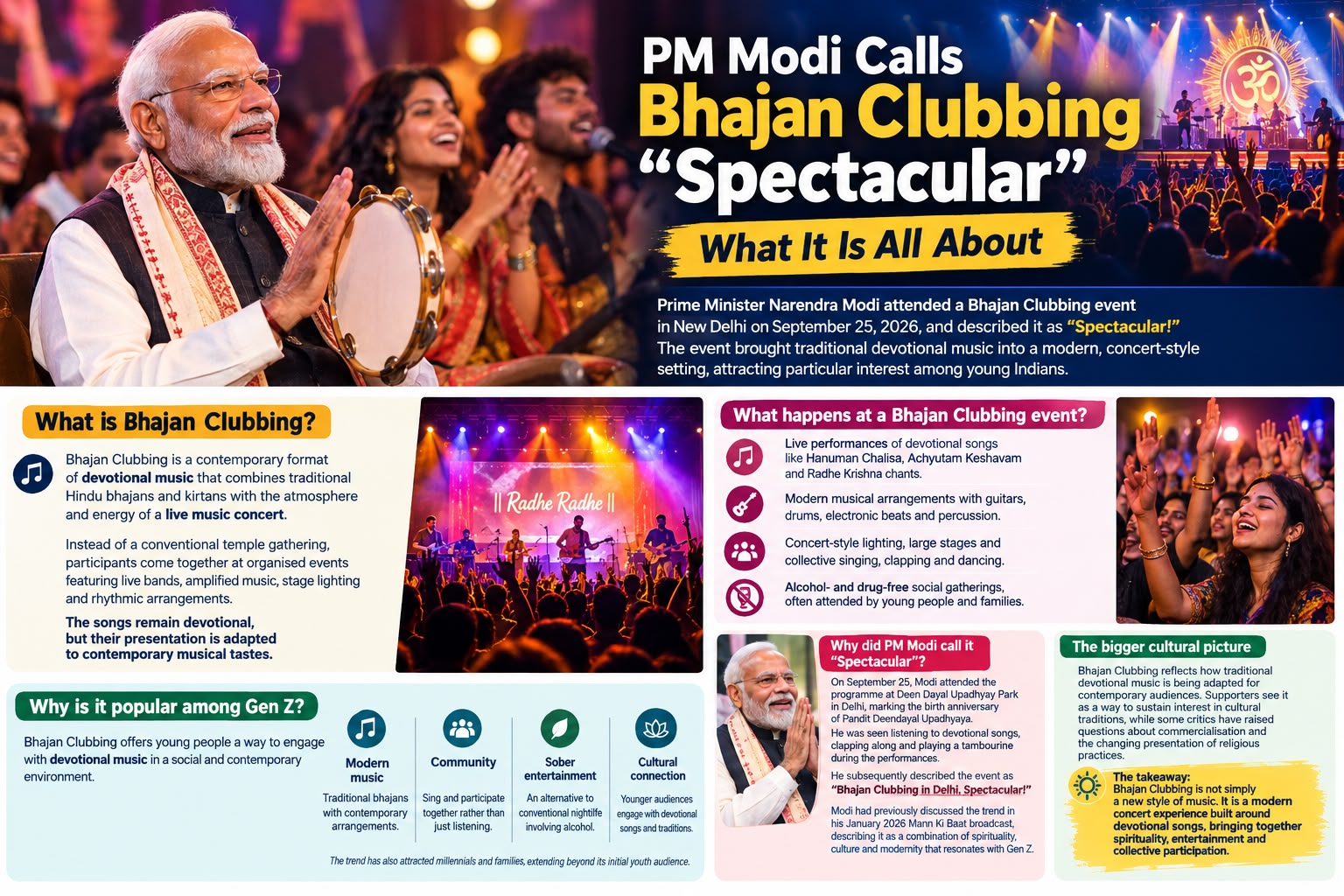
PM Modi Calls Bhajan Clubbing “Spectacular”: What It Is All About
-

Tata Aeris Launch 2026: New Compact Sedan to Replace Tigor, Price, Features, Engine, CNG and EV Details
-

India’s Semiconductor Push: Whole-of-Industry Approach to Boost Electronics Manufacturing
-

National Film Awards 2026 Winners: Yami Gautam, Kartik Aaryan, Mammootty, Pushpa 2
-

PM Kisan 24th Installment Date 2026: When Will ?2,000 Be Credited?
-
Xi Jinping's US Visit: What It Means for the World Economy
-
ndia is rapidly expanding renewable energy, but transmission bottlenecks and limited storage are causing clean electricity to be curtailed. Here's what it means.
-

SEO Title: Mahindra Thar OG Launched at INR 10.32 Lakh: Price, Features & Specs