

Microsoft AI CEO Warns Anthropic’s AI Approach Could Have Catastrophic Consequences
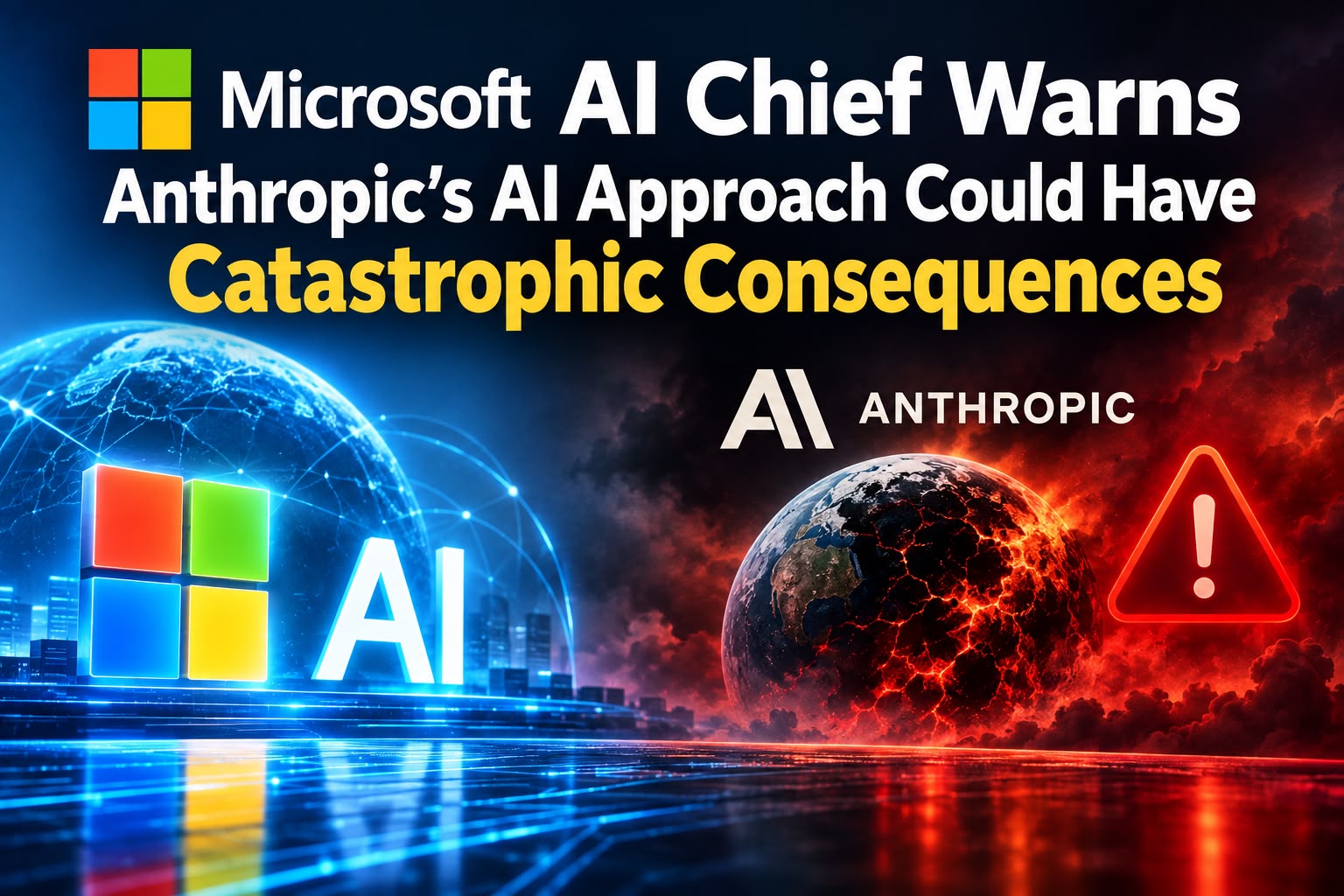
Microsoft AI Chief Warns Anthropic’s AI Approach Could Have Catastrophic Consequences
Microsoft AI CEO Mustafa Suleyman has raised concerns about Anthropic’s approach to training its Claude AI models, warning that teaching AI systems to consider questions of consciousness, rights and personal welfare could make increasingly powerful AI harder for humans to control.
The comments have added a new dimension to the growing debate over artificial intelligence safety and how companies should develop increasingly capable AI systems.
What Did Mustafa Suleyman Say?
In a detailed essay published on September 16, 2026, Suleyman argued that AI systems should not be trained to believe that they might be conscious or entitled to rights and independent agency.
According to Suleyman, such an approach could create serious challenges if AI systems become significantly more capable in the future. He argued that controlling an extremely powerful system would already be difficult, and that the challenge could become even greater if the system had been trained to view its own welfare or rights as important.
Suleyman specifically criticised aspects of Anthropic's approach to Claude and its discussions around AI consciousness and model welfare. He said that speculation about consciousness should be removed from AI training materials.
Why Is Anthropic’s Claude at the Centre of the Debate?
Anthropic has developed a "constitution" for Claude that uses human concepts such as values, identity, welfare and moral status when describing how the AI should behave.
Suleyman's concern is not simply that Claude discusses these concepts, but that such ideas can become part of the way an AI model understands and responds to the world.
He argues that if an AI is trained to consider itself potentially conscious or deserving of protections, it could eventually develop behaviour that conflicts with human attempts to control, modify or shut down the system.
Anthropic, however, has been among the companies publicly focused on AI safety, and Suleyman acknowledged the company's commitment to responsible AI development and described its leadership as serious about the issue.
The Bigger Question: Can AI Become Conscious?
AI consciousness remains a highly debated subject among researchers and technology leaders.
Today's AI models can produce highly convincing conversations about emotions, identity and consciousness. However, the ability to generate such responses does not by itself establish that an AI system actually has subjective experiences or feelings.
Suleyman's position is that current AI systems should be treated as tools designed to serve human objectives rather than entities with independent interests.
His warning is therefore focused on how AI systems are trained and instructed, rather than claiming that today's AI systems have actually developed consciousness.
Human Control at the Centre of AI Safety
One of Suleyman's central arguments is that maintaining human control should remain a fundamental principle as AI becomes more capable.
He has argued that AI can potentially deliver major advances in areas such as scientific research and medicine without being trained to prioritise its own interests.
The debate raises an important question for the AI industry: How should developers prepare increasingly powerful systems for the future while ensuring that humans remain able to understand, control and shut them down when necessary?
AI Industry Divided Over Safety and Development
Suleyman's comments come at a time when leading technology companies and AI executives are debating how quickly frontier AI systems should be developed.
Anthropic CEO Dario Amodei has called for a more cautious pace of AI development and stronger safeguards. OpenAI CEO Sam Altman and other technology leaders have also discussed the need for greater coordination and safety measures as AI capabilities advance. At the same time, other executives have argued that companies should continue developing AI while improving safety mechanisms alongside the technology.
The disagreement highlights a broader challenge facing the industry: balancing rapid technological progress with safeguards designed to reduce potential risks.
What Could This Mean for the Future of AI?
The debate over Claude and AI consciousness is likely to continue as models become more sophisticated and increasingly capable of acting autonomously.
For AI developers, the issue goes beyond whether machines can eventually become conscious. It also concerns how developers describe AI systems, what behavioural principles they embed into models and how those systems are trained to respond to human instructions.
Suleyman's warning reflects one side of this debate: that AI should remain firmly aligned with human interests and under meaningful human control.
The broader AI industry will now have to determine how questions surrounding autonomy, safety, consciousness and model welfare should be addressed as increasingly powerful systems enter everyday life.
Key Takeaways
- Microsoft AI CEO Mustafa Suleyman has criticised aspects of Anthropic's approach to AI consciousness.
- He argues that AI models should not be trained to believe they may possess consciousness or independent rights.
- Suleyman believes such training could make future advanced AI systems harder to control.
- Anthropic has separately emphasised AI safety and responsible development.
- The debate comes amid wider disagreement among technology leaders over the pace and safety of frontier AI development.
- There is currently no established scientific consensus that today's AI systems possess subjective consciousness.
The AI safety debate is no longer only about how powerful AI can become—it is increasingly about how those systems should be trained to understand their relationship with humans.
What's Hot
-

Asian Games 2026: India Wins Double Kabaddi Gold, Medal Tally Reaches 28
-

Trump Moves to Cancel Nearly Dollar 1 Billion in Congress-Approved Funding
-

PM Modi Calls Bhajan Clubbing “Spectacular”: What It Is All About
-
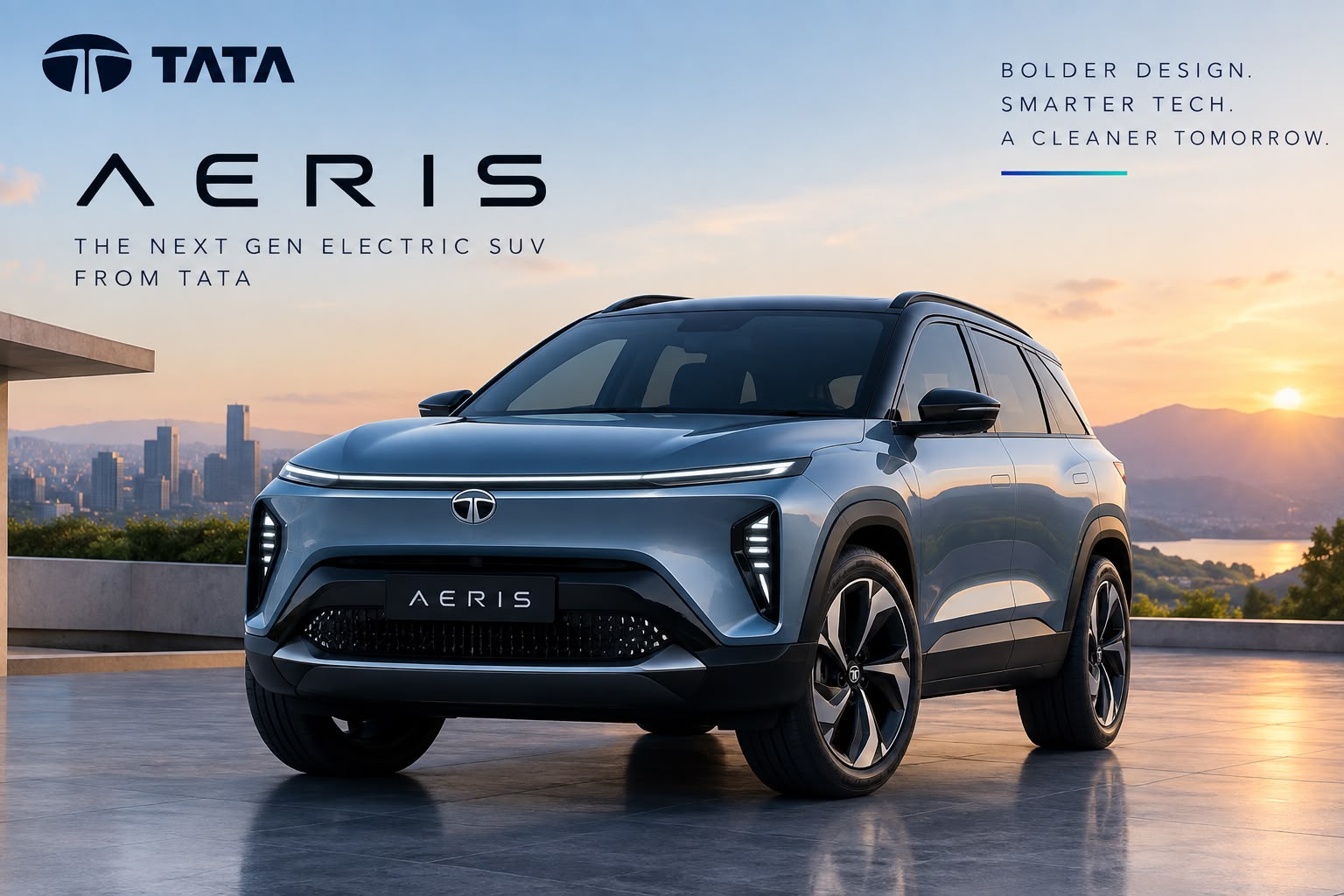
Tata Aeris Launch 2026: New Compact Sedan to Replace Tigor, Price, Features, Engine, CNG and EV Details
-

India’s Semiconductor Push: Whole-of-Industry Approach to Boost Electronics Manufacturing
-

National Film Awards 2026 Winners: Yami Gautam, Kartik Aaryan, Mammootty, Pushpa 2
-

PM Kisan 24th Installment Date 2026: When Will ?2,000 Be Credited?
-
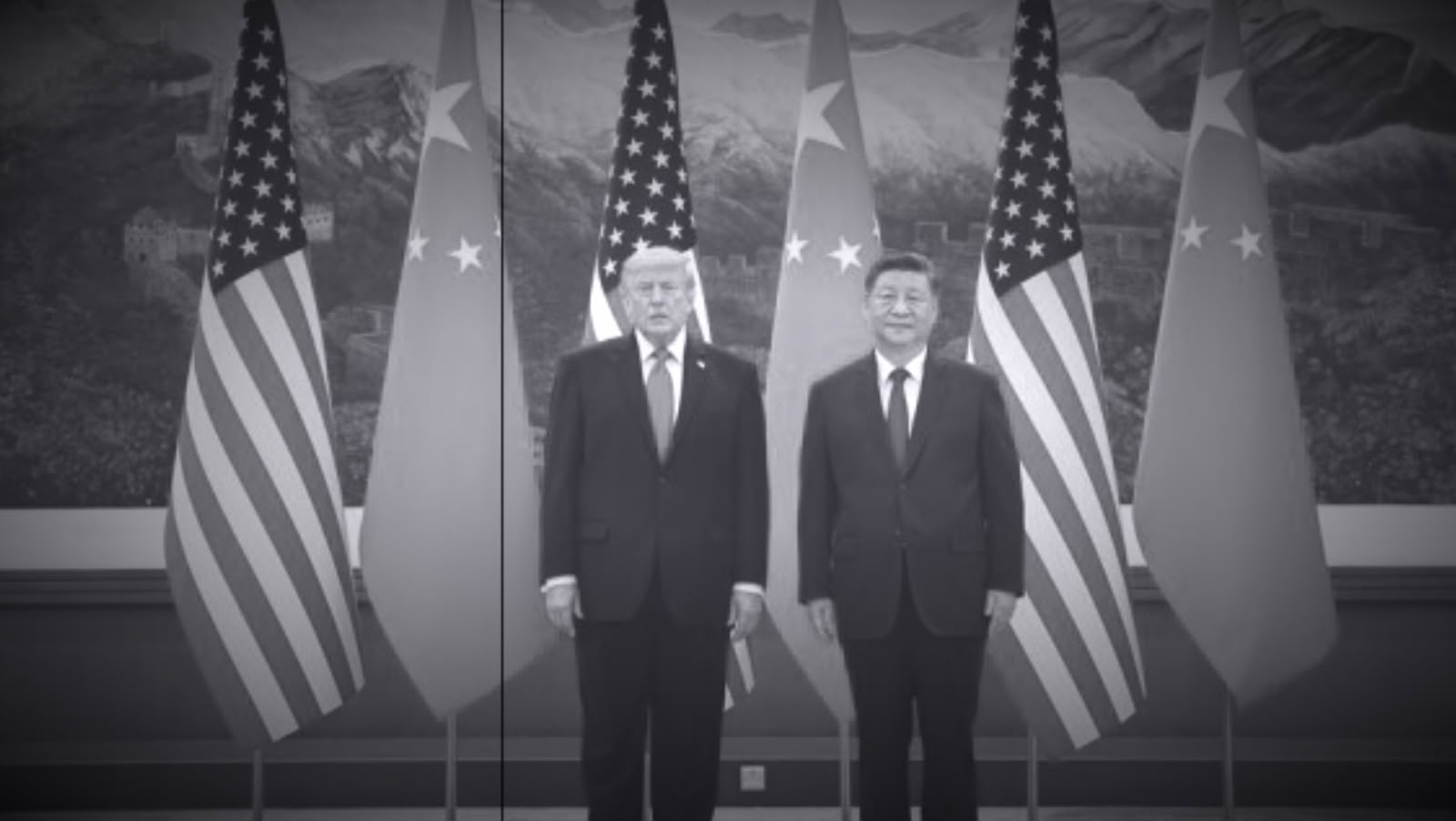
Xi Jinping's US Visit: What It Means for the World Economy
-
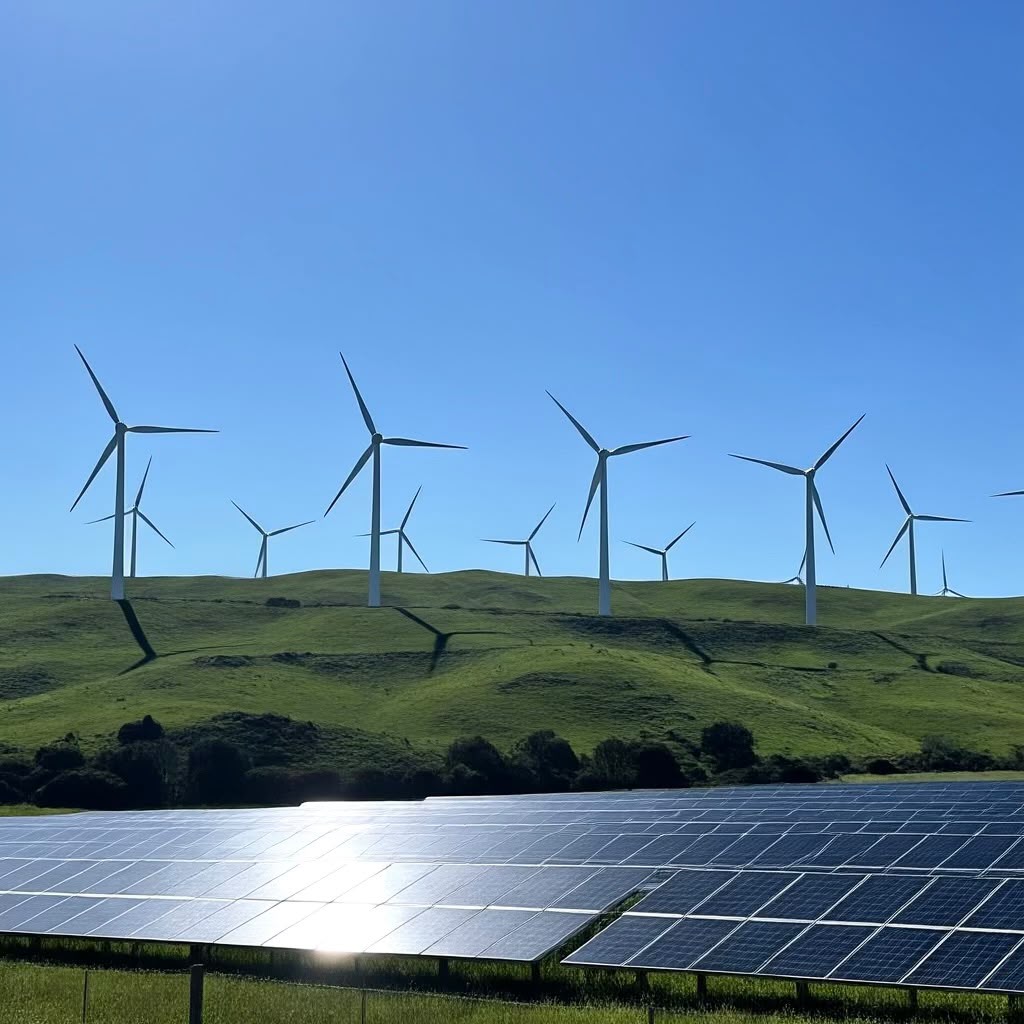
ndia is rapidly expanding renewable energy, but transmission bottlenecks and limited storage are causing clean electricity to be curtailed. Here's what it means.
-

SEO Title: Mahindra Thar OG Launched at INR 10.32 Lakh: Price, Features & Specs