
Hybrid Cars: Is a Big Hybrid Phase Coming to India? Let's Find Out

India's automotive industry is undergoing a major transformation as consumers increasingly explore cleaner and more fuel-efficient mobility solutions. While electric vehicle (EV) adoption continues to accelerate, hybrid vehicles are carving out a unique position by offering improved fuel efficiency, lower emissions, and freedom from charging infrastructure concerns.
With several global manufacturers preparing new hybrid launches, the coming years could witness a renewed push for hybrid technology in the Indian market.
Hybrid Market Share Softens as EVs Gain Momentum
Despite growing interest from automakers, hybrid vehicles have experienced a slight decline in market share over the past two years. Hybrids accounted for 8.73% of passenger vehicle registrations in FY2024-25, which declined to 8.22% in FY2025-26 and further softened to 8.05% in May 2026.
Meanwhile, electric vehicles have gained significant momentum. EV market share increased from 2.61% in FY2024-25 to 4.25% in FY2025-26 and reached 6.63% in May 2026. This trend highlights the growing acceptance of battery-electric vehicles, supported by expanding charging infrastructure and government incentives.
However, hybrids continue to appeal to buyers seeking a practical middle ground between traditional internal combustion engines and fully electric vehicles.
Upcoming Hybrid Cars Expected in India
1. Renault Duster Hybrid
The next-generation Renault Duster is expected to become one of the most significant entrants in India's hybrid SUV segment. Renault is reportedly targeting a festive-season launch in 2026, with a strong-hybrid variant likely to join the conventional petrol lineup. The hybrid version could attract customers looking for SUV practicality combined with improved fuel economy.
2. Nissan Tekton Hybrid
Nissan is developing a new midsize SUV, tentatively known as the Tekton, which will share its platform and several components with the upcoming Renault Duster. A hybrid powertrain is also expected to be part of the package, strengthening Nissan's position in India's increasingly competitive SUV market.
3. BYD Seal U DM-i (Sealion 6)
Chinese EV giant BYD is preparing to enter India's plug-in hybrid segment with the Seal U DM-i, also known as the Sealion 6 in several international markets. The model combines a petrol engine with an electric drivetrain, offering extended driving range while retaining the flexibility of conventional refueling.
4. JSW Group's First Plug-in Hybrid SUV
The JSW Group is expected to begin its passenger vehicle journey with a plug-in hybrid SUV, likely to arrive during the January-March 2027 quarter. While details remain limited, the launch could mark the group's entry into India's rapidly evolving new-energy vehicle market.
5. Hyundai's First Hybrid Vehicle for India
Hyundai Motor India is reportedly working on its first hybrid model specifically for the Indian market, with a launch expected in 2027. Given Hyundai's strong presence across multiple segments, its entry into the hybrid space could significantly boost consumer awareness and adoption.
6. Kia Sorento Hybrid
The Kia Sorento Hybrid could emerge as one of Kia's most premium offerings in India. Positioned above the Seltos globally, the three-row SUV combines practicality with advanced hybrid technology. If launched, it could rival premium SUVs such as the Toyota Fortuner, Skoda Kodiaq, and Jeep Meridian.
The Road Ahead
Although electric vehicles are steadily gaining market share, hybrids are unlikely to disappear anytime soon. Strong-hybrid and plug-in hybrid models offer a compelling balance between fuel efficiency, reduced emissions, and convenience—especially for buyers who are not yet ready to transition to a fully electric vehicle.
With major manufacturers including Renault, Nissan, Hyundai, Kia, BYD, and JSW preparing new hybrid offerings, India's hybrid market could witness renewed growth over the next few years. Rather than competing directly with EVs, hybrids may continue to serve as an important bridge technology, helping consumers transition toward a cleaner automotive future.
What's Hot
-

Asian Games 2026: India Wins Double Kabaddi Gold, Medal Tally Reaches 28
-

Trump Moves to Cancel Nearly Dollar 1 Billion in Congress-Approved Funding
-

PM Modi Calls Bhajan Clubbing “Spectacular”: What It Is All About
-
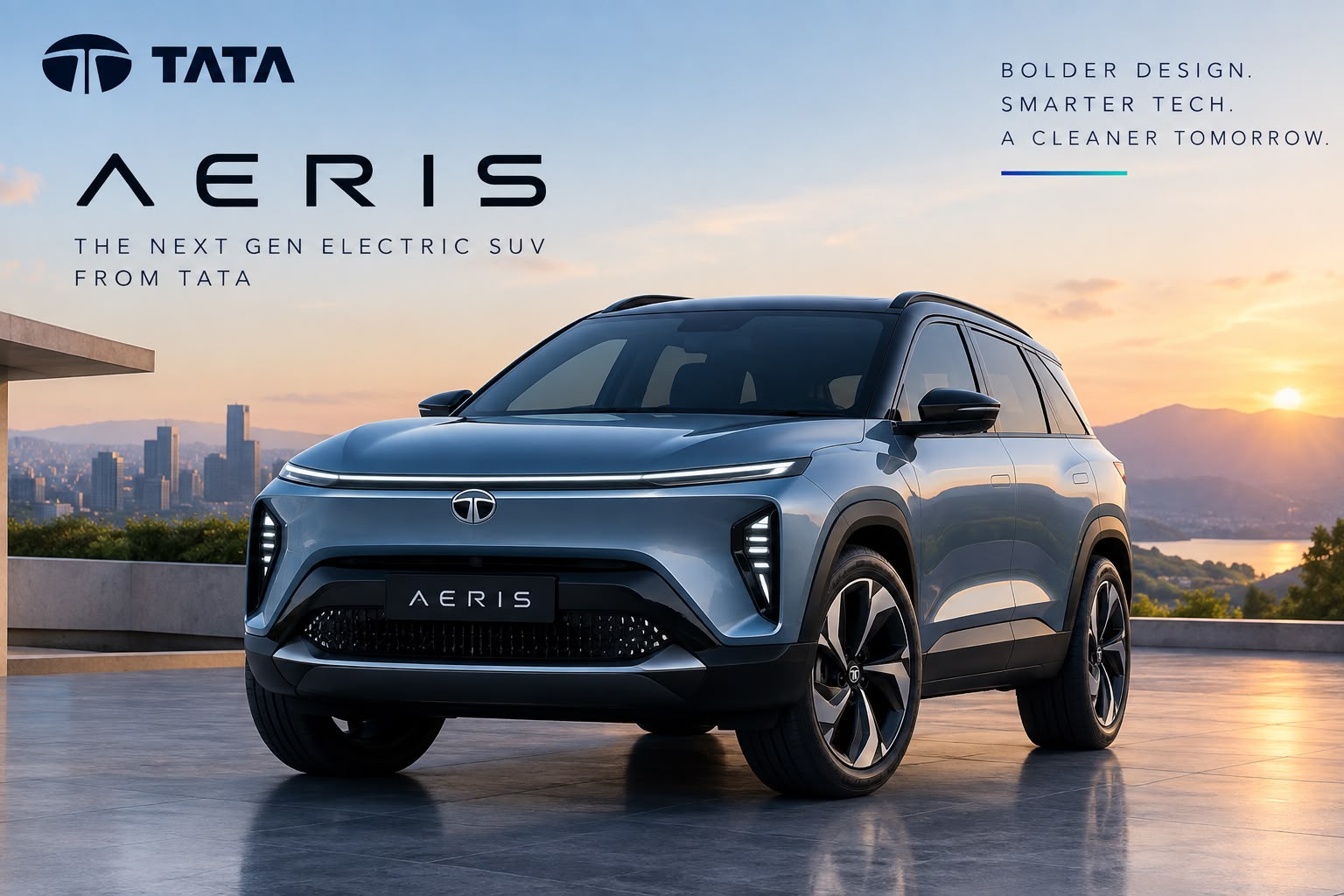
Tata Aeris Launch 2026: New Compact Sedan to Replace Tigor, Price, Features, Engine, CNG and EV Details
-
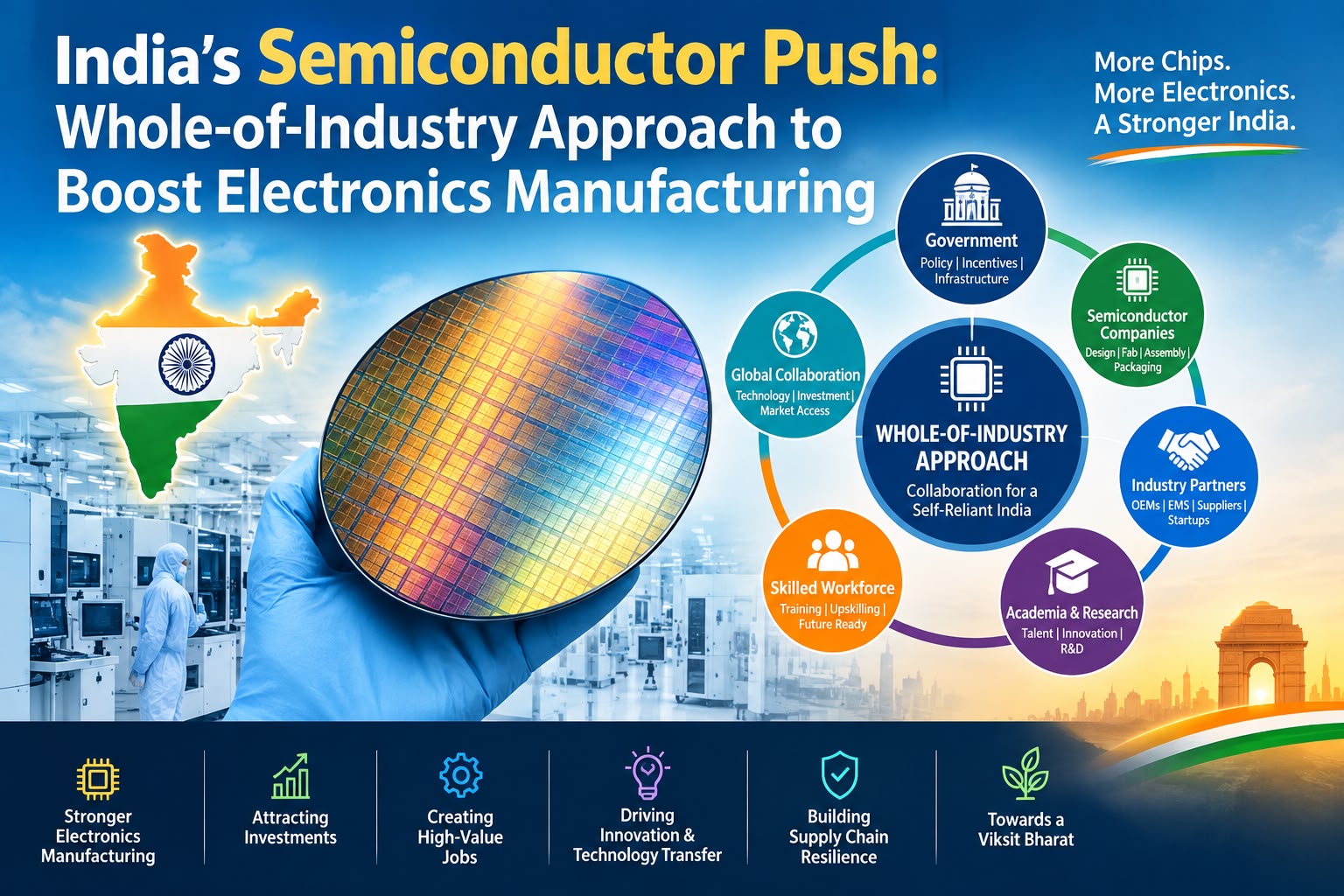
India’s Semiconductor Push: Whole-of-Industry Approach to Boost Electronics Manufacturing
-

National Film Awards 2026 Winners: Yami Gautam, Kartik Aaryan, Mammootty, Pushpa 2
-

PM Kisan 24th Installment Date 2026: When Will ?2,000 Be Credited?
-

Xi Jinping's US Visit: What It Means for the World Economy
-
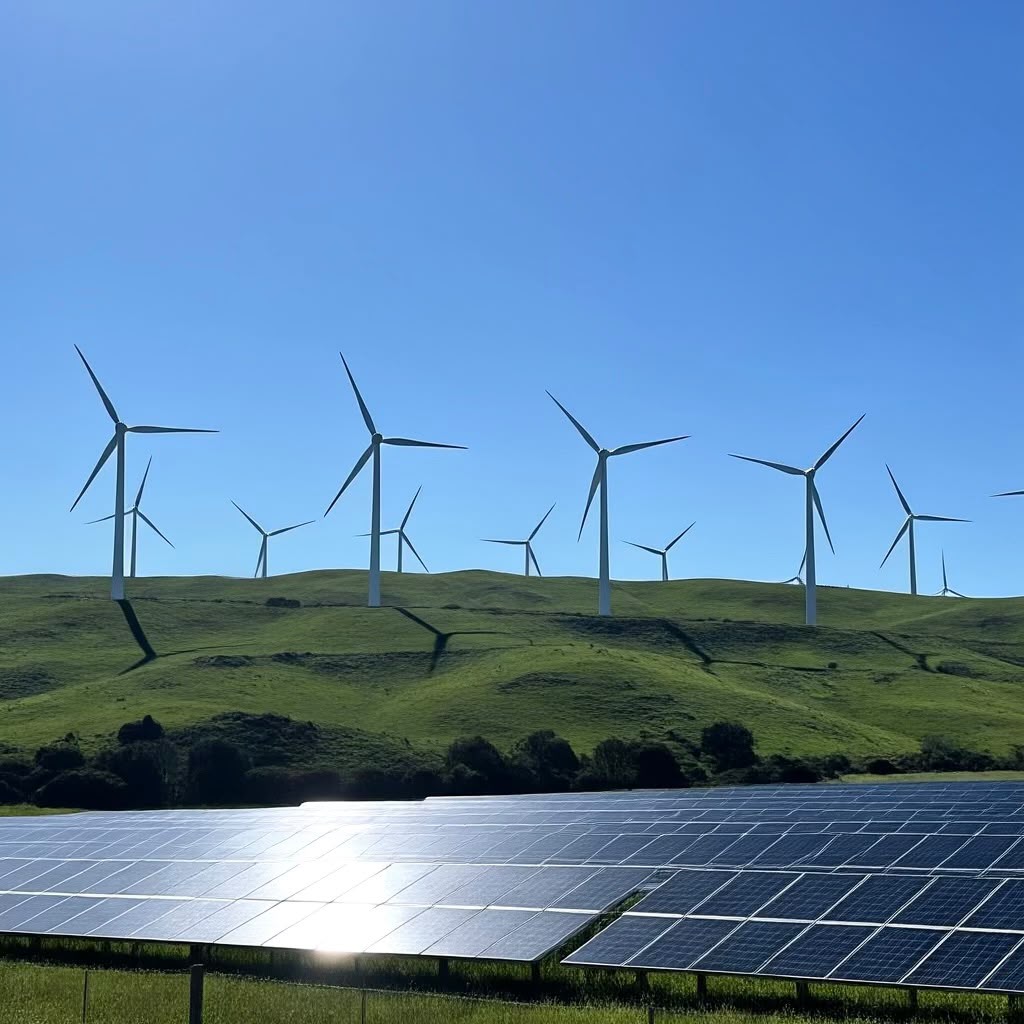
ndia is rapidly expanding renewable energy, but transmission bottlenecks and limited storage are causing clean electricity to be curtailed. Here's what it means.
-
SEO Title: Mahindra Thar OG Launched at INR 10.32 Lakh: Price, Features & Specs