

PM Modi Approves Delhi-Guwahati Bullet Train Corridor via Siliguri
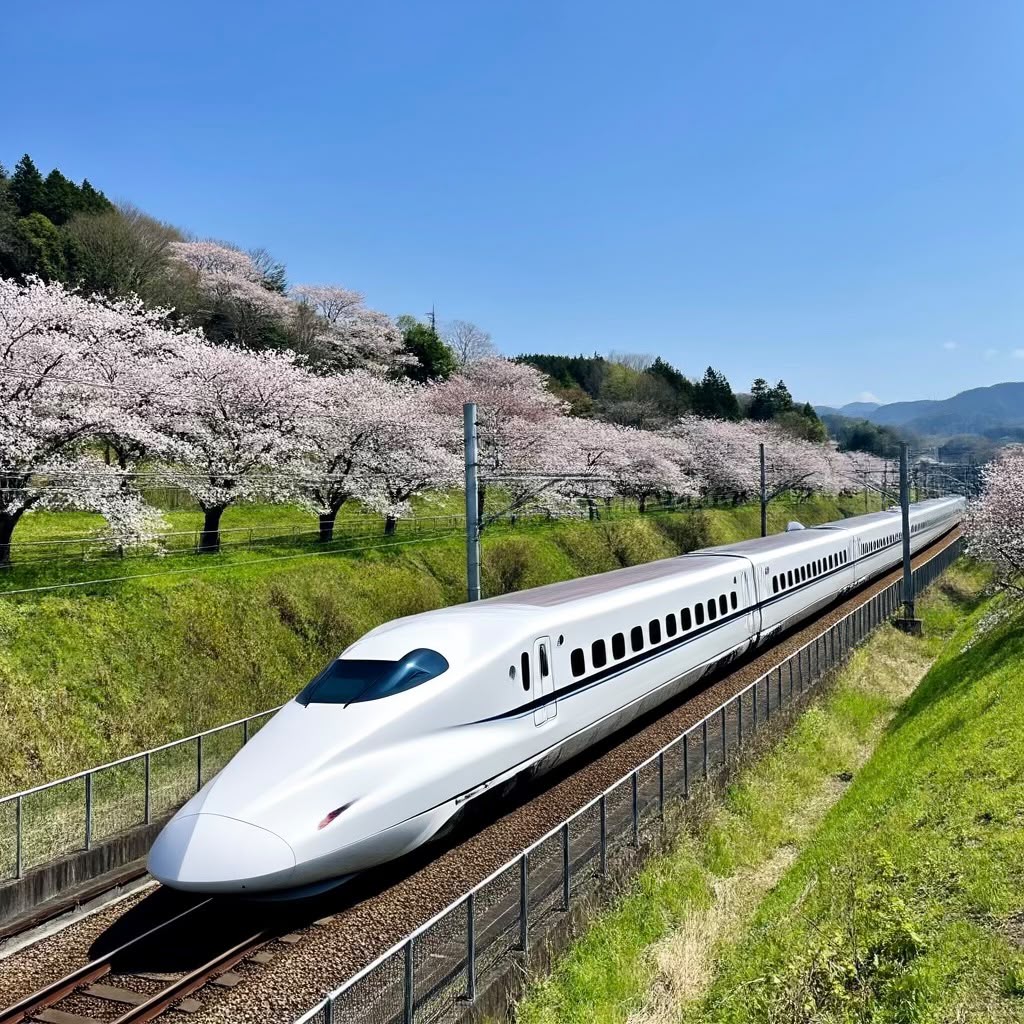
PM Modi Approves Delhi-Guwahati Bullet Train Corridor via Siliguri: Route, Stations, Travel Time and Benefits
India is preparing for a major expansion of its high-speed railway network. Prime Minister Narendra Modi has approved the proposed Northern Bullet Train Corridor connecting Delhi to Guwahati via Siliguri. The project is expected to improve connectivity across Uttar Pradesh, Bihar, West Bengal and Assam while reducing travel time between major cities.
India's ambitious bullet train network is set to expand further, with the proposed Northern Bullet Train Corridor receiving approval from Prime Minister Narendra Modi. The high-speed rail corridor will connect the national capital, Delhi, with Guwahati in Assam, passing through several important cities, including Agra, Kanpur, Lucknow, Ayodhya, Varanasi, Prayagraj, Patna and Siliguri.
The announcement, made by Union Railway Minister Ashwini Vaishnaw on October 31, 2026, marks another significant development in India's high-speed railway expansion plans.
The proposed corridor is expected to strengthen transportation infrastructure across northern and eastern India, offering faster passenger movement and supporting economic activities, tourism and regional development.
Delhi-Guwahati Bullet Train Corridor: Complete Route
The Northern Bullet Train Corridor will connect several major cities across four states and the national capital region.
The proposed route includes:
- Delhi
- Agra
- Kanpur
- Lucknow
- Ayodhya
- Prayagraj
- Varanasi
- Patna
- Siliguri
- Guwahati
The corridor will connect important business centres, religious destinations and major urban areas. Its extension towards Guwahati will also provide a high-speed rail connection to Northeast India.
Delhi to Guwahati Bullet Train: Expected Travel Time
One of the biggest attractions of the proposed project is the expected reduction in journey time.
According to the travel-time estimates shared in connection with the announcement, several routes could become significantly faster.
|
Route |
Expected Journey Time |
|
Delhi to Agra |
59 minutes |
|
Delhi to Kanpur |
1 hour 45 minutes |
|
Delhi to Lucknow |
2 hours 12 minutes |
|
Delhi to Varanasi |
3 hours 33 minutes |
|
Lucknow to Varanasi |
1 hour 21 minutes |
|
Varanasi to Prayagraj |
33 minutes |
|
Varanasi to Patna |
Around 1 hour |
|
Delhi to Guwahati |
Under 8 hours (projected) |
These are proposed journey-time estimates and should not be treated as confirmed operational schedules. Final travel times will depend on the detailed route and project design.
Guwahati Extension: A Major Boost for Northeast India
The inclusion of Guwahati in the Northern Bullet Train Corridor is particularly important for Northeast India.
Siliguri is a strategic transportation gateway connecting the northeastern states with the rest of the country. Extending the proposed high-speed rail corridor beyond Siliguri to Guwahati could significantly improve long-distance connectivity.
The extension is expected to benefit:
- Passengers travelling between Delhi and Assam.
- Businesses looking for faster access to northern Indian markets.
- Tourism destinations across Assam and the Northeast.
- Students and professionals travelling between regions.
- Industries requiring improved transportation infrastructure.
Guwahati is one of the most important commercial and transportation hubs in Northeast India. Better rail connectivity could support the region's growing economic potential.
How Will the Northern Bullet Train Corridor Benefit India?
The proposed high-speed rail corridor could deliver benefits across several sectors.
1. Faster Connectivity Between Major Cities
Passengers travelling between Delhi, Lucknow, Varanasi, Patna and Guwahati could experience significantly shorter journey times.
This could make intercity business travel and personal journeys more convenient.
2. Tourism Sector Could Receive a Major Boost
The proposed corridor will connect several popular tourist and religious destinations, including Agra, Ayodhya, Prayagraj and Varanasi.
Faster connectivity could encourage more domestic and international tourists to visit these cities.
3. Economic Development Across Multiple States
Improved connectivity could support trade, investment and industrial development across Uttar Pradesh, Bihar, West Bengal and Assam.
Businesses may benefit from better access to customers, suppliers and major economic centres.
4. Employment and Infrastructure Opportunities
The development of a high-speed railway corridor could create opportunities in civil construction, electrical infrastructure, engineering, manufacturing, signalling and railway maintenance.
It could also generate employment for skilled and unskilled workers during different stages of project development.
5. Strengthening India's Northeast Connectivity
The Guwahati extension could improve the integration of Northeast India with major economic centres in the country.
This could support tourism, education, healthcare access and commercial development.
Make in India: Opportunities for Domestic Railway Manufacturers
The expansion of India's bullet train network could create significant opportunities for domestic manufacturers and infrastructure companies.
The development of high-speed railway infrastructure requires advanced technology, engineering expertise and specialised equipment.
Potential business opportunities include:
- Railway track and civil infrastructure.
- Electrical systems and power supply.
- Signalling and communication technology.
- Railway station construction.
- High-speed train manufacturing.
- Testing, commissioning and maintenance.
- Operations and infrastructure management.
The project could contribute to the development of India's railway manufacturing ecosystem and strengthen domestic engineering capabilities.
Will Delhi-Guwahati Bullet Train Tickets Be Affordable?
Ticket pricing will be an important factor in determining how widely passengers adopt high-speed rail services.
Railway Minister Ashwini Vaishnaw has indicated that bullet train fares will be economical and considerably lower than air travel.
However, the final ticket prices for the Northern Bullet Train Corridor have not yet been officially announced.
Passengers will have to wait for further details regarding fare structures, travel classes and ticket booking arrangements.
What Is the Current Status of India's Bullet Train Network?
India's first bullet train project, the Mumbai-Ahmedabad High-Speed Rail Corridor, is under development.
The country is also exploring additional high-speed rail corridors to connect major cities and economic centres.
The proposed Delhi-Guwahati corridor represents another step towards building a nationwide high-speed railway network.
However, the detailed project report, construction schedule, final station locations, estimated investment and completion timeline for the Northern Bullet Train Corridor are awaited.
What Does This Project Mean for Uttar Pradesh, Bihar and West Bengal?
The proposed corridor could have a significant impact on regional connectivity.
Uttar Pradesh: Cities such as Agra, Kanpur, Lucknow, Ayodhya, Prayagraj and Varanasi could benefit from faster connections with Delhi and other major cities.
Bihar: Patna's inclusion could strengthen its connectivity with Uttar Pradesh, West Bengal and Assam.
West Bengal: Siliguri's strategic location could make it an important high-speed rail gateway for Northeast India.
Assam: Guwahati could benefit from improved connectivity with Delhi and other major economic centres.
Conclusion
The approval of the proposed Northern Bullet Train Corridor connecting Delhi to Guwahati via Siliguri marks an important development in India's high-speed rail ambitions.
With a proposed route covering major cities across northern and eastern India, the project could transform long-distance passenger transportation and create new opportunities for tourism, trade, manufacturing and infrastructure development.
The extension to Guwahati is particularly significant because it brings Northeast India into India's expanding high-speed rail vision.
While the project still requires detailed planning and implementation, its proposed development highlights India's long-term ambition to build a faster, more connected and technologically advanced railway network.
What's Hot
-

India WTC Final 2027 Qualification Chances: What Team India Needs
-

India Score 720/9 vs New Zealand: Highest Away Test Total, Historic Record
-

Georgia Beats South Carolina 34-6 to Clinch 2026 SEC Championship Berth
-

PM E-DRIVE Scheme Crosses 30 Lakh EV Sales Milestone
-

PM Modi's FICCI Speech 2026: Listen to Gandhi, Promote Swadeshi and Make India Self-Reliant
-

Trump, Xi and Putin Summit 2026: Key Agenda, Nuclear Weapons, Iran War and Ukraine
-

EV Sales Surge 69% in India During 2026 Festive Season
-

What Is ASEAN? 11 Member Countries and Why It Matters to India
-

India vs New Zealand 4th ODI: India Bowled Out for 89, Lose by 244 Runs
-
PM Modi to Launch Rs.15,600 Crore Development Projects in Bengaluru Today