

PM Modi's FICCI Speech 2026: Listen to Gandhi, Promote Swadeshi and Make India Self-Reliant
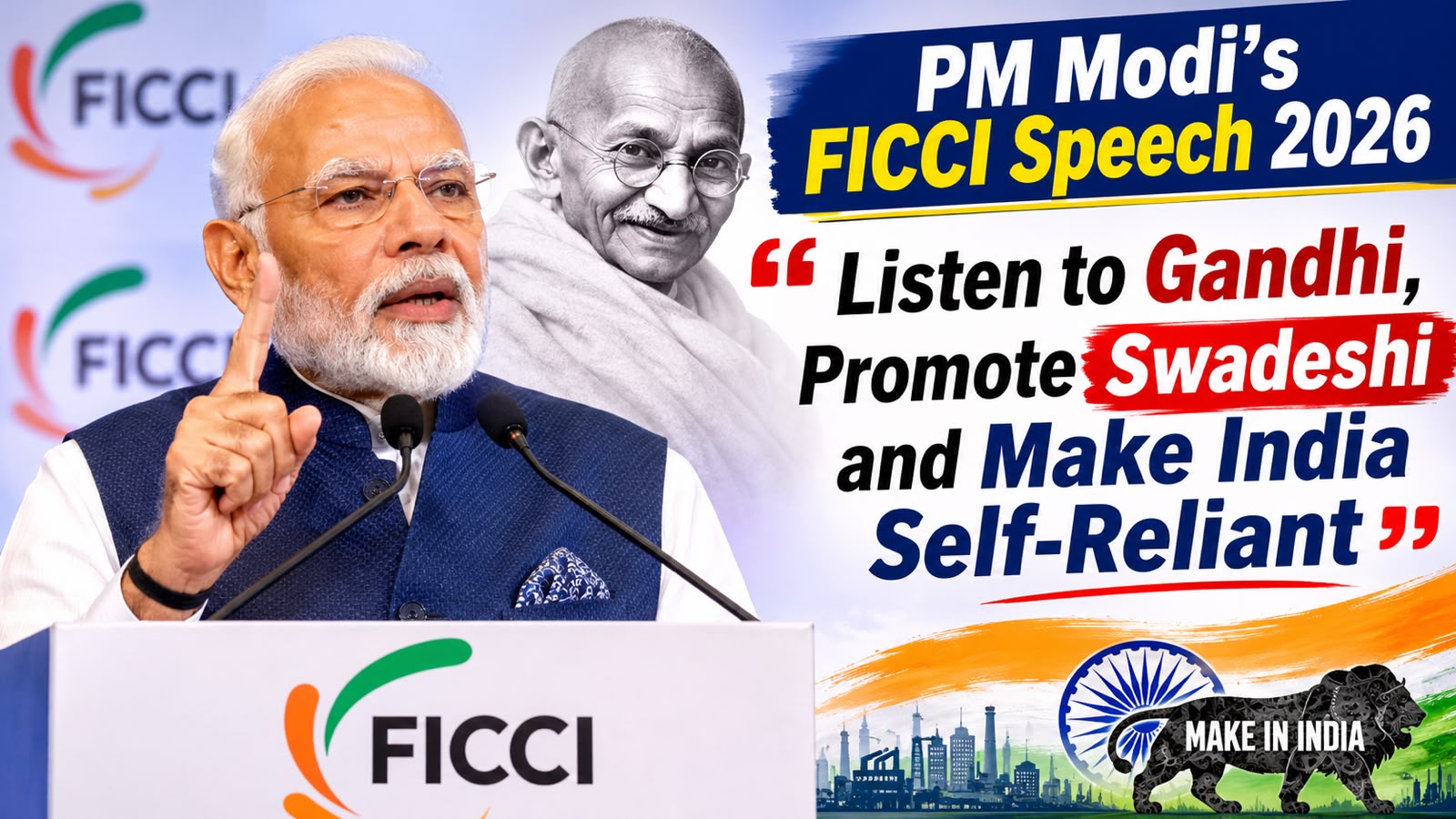
PM Modi's Powerful Message to FICCI: "Don't Listen to Me, Listen to Mahatma Gandhi!" Calls for Swadeshi and a Self-Reliant India
New Delhi, November 19, 2026: Prime Minister Narendra Modi delivered a strong message to India's business and industrial community while addressing the centenary celebrations of the Federation of Indian Chambers of Commerce and Industry (FICCI) at Bharat Mandapam in New Delhi on Thursday.
During his address, the Prime Minister urged Indian businesses to strengthen domestic manufacturing, promote locally made products, reduce dependence on imports and improve India's competitiveness in global markets.
One of the most memorable moments of his speech came when he recalled Mahatma Gandhi's message to FICCI in 1930 and remarked:
"Don't listen to me, listen to Mahatma Gandhi!"
With this statement, PM Modi questioned why Indian industry still needed reminders about Swadeshi and self-reliance even after 100 years. He challenged business leaders to reflect on their responsibilities and take concrete steps towards building a stronger and economically independent India.
PM Modi Reminds FICCI of Mahatma Gandhi's 1930 Message
Congratulating FICCI on completing 100 years, Prime Minister Modi highlighted the organisation's contribution to India's industrial and economic development.
Recalling Mahatma Gandhi's association with FICCI in 1930, he said Gandhi had already encouraged Indian businesses to embrace Swadeshi and strengthen domestic industries.
Referring to this historic message, the Prime Minister questioned why the same principles still needed to be emphasised after a century.
He urged FICCI to include this message in its centenary documentary and take it to households across the country.
His broader message was clear: Indian businesses must move beyond discussions and take practical action to promote domestic manufacturing, innovation and economic self-reliance.
India First Should Guide Every Long-Term Investment Decision
PM Modi called upon Indian companies to adopt a long-term vision and prioritise national interests while making investment decisions.
He encouraged businesses to make India First the foundation of their investment strategies over the next 20 years.
The Prime Minister said:
"Make India First the foundation of every long-term investment decision you take over the next 20 years."
According to him, this approach would strengthen India's economic independence while creating new opportunities for businesses, employment and industrial growth.
He also encouraged companies to invest in advanced technologies, research and development, manufacturing infrastructure and sectors where India continues to depend heavily on foreign suppliers.
PM Modi Highlights India's Dependence on Imports in Key Industries
The Prime Minister highlighted several sectors where India has significant opportunities to increase domestic production and reduce import dependence.
1. Pharmaceutical Industry
India is globally recognised as the Pharmacy of the World. However, the country continues to depend on imports for several pharmaceutical ingredients, including Active Pharmaceutical Ingredients (APIs), bulk drugs and intermediates.
PM Modi encouraged pharmaceutical companies to invest in domestic manufacturing capabilities and reduce dependence on international suppliers.
2. Steel Industry
The Prime Minister questioned why India exports iron ore but continues to import specialised finished steel products.
He encouraged manufacturers to develop the technology and production capabilities required to manufacture high-quality and specialised steel within the country.
3. Aluminium Industry
India has significant bauxite resources but continues to import certain specialised aluminium alloys and value-added products.
The Prime Minister highlighted the need to strengthen domestic manufacturing and increase value addition.
4. Critical Minerals
PM Modi also emphasised the importance of developing domestic capabilities in strategically important minerals and related industries.
Strengthening these sectors would help India improve its industrial competitiveness and economic security.
"Why Export Wheat and Import Bread?" PM Modi Questions India's Manufacturing Approach
Another notable moment during the address came when the Prime Minister highlighted the importance of value addition in manufacturing and agriculture.
He questioned the logic of exporting raw agricultural products while importing finished products made from those same materials.
He said:
"What kind of a country exports wheat but imports bread?"
Through this example, PM Modi emphasised that India should focus on processing, manufacturing and value addition rather than remaining limited to exporting raw materials.
He also encouraged businesses to invest in food processing infrastructure, modern technology and internationally competitive agricultural products.
Domestic Market Should Not Become a Comfort Zone
The Prime Minister urged Indian manufacturers not to depend entirely on the country's large domestic consumer market.
He said businesses should use the strength of India's domestic market as a foundation for developing products that can compete globally.
PM Modi remarked:
"Our domestic market should not become our comfort zone. Instead, it should give us the confidence to compete in global markets."
He encouraged companies to improve product quality, invest in research and development, understand international consumer preferences and develop globally competitive products.
The Prime Minister also stressed that Indian consumers deserve the same quality of products that manufacturers offer in international markets.
PM Modi Highlights Opportunities for Indian Manufacturers
The Prime Minister highlighted opportunities in engineering goods, machinery, hand tools, power tools and other manufacturing sectors.
He encouraged large Indian companies to support smaller manufacturers by helping them improve their technology, production capacity and quality standards.
He also called for greater investment in research, innovation and advanced manufacturing.
According to the Prime Minister, India has the potential to become a major manufacturing and supply hub for developing economies, particularly countries in the Global South.
PM Modi Highlights Tax Reforms and Ease of Doing Business
During his address, the Prime Minister also discussed the government's efforts to improve India's business environment.
He highlighted several reforms, including:
- Reduction in the basic corporate tax rate from 30% to 22%.
- Income-tax relief for eligible individuals under the new tax regime.
- Simplification of income-tax return filing and faster refunds.
- GST reforms aimed at simplifying taxation.
- Trade agreements to expand opportunities for Indian businesses.
- Measures to improve ease of doing business and encourage investment.
He encouraged industrialists to take advantage of these reforms, expand their businesses, increase production and generate more employment opportunities.
The Prime Minister also invited suggestions from industry leaders to further improve India's business and regulatory environment.
Developed India 2047: PM Modi Calls on Industry to Play a Bigger Role
Concluding his address, Prime Minister Modi connected India's industrial growth with the national vision of Viksit Bharat 2047.
He emphasised that a developed India should not remain merely a slogan but must become a collective commitment involving every citizen.
He said:
"A Developed India is not just a slogan; it is a commitment. All 1.4 billion Indians must make this commitment a part of their lives. And if we live this commitment, we will succeed."
He urged FICCI and the wider Indian business community to contribute actively towards achieving this vision through investment, innovation, manufacturing and employment generation.
Conclusion
Prime Minister Narendra Modi's address at FICCI's centenary convention delivered a strong message to India's business community: the next phase of the country's economic growth must be driven by domestic manufacturing, innovation, Swadeshi and global competitiveness.
His message, "Don't listen to me, listen to Mahatma Gandhi!", highlighted the importance of putting the principles of Swadeshi and self-reliance into practice.
As India moves towards its 100th year of independence in 2047, the private sector will play a crucial role in building a stronger, more competitive and economically self-reliant nation.
What's Hot
-
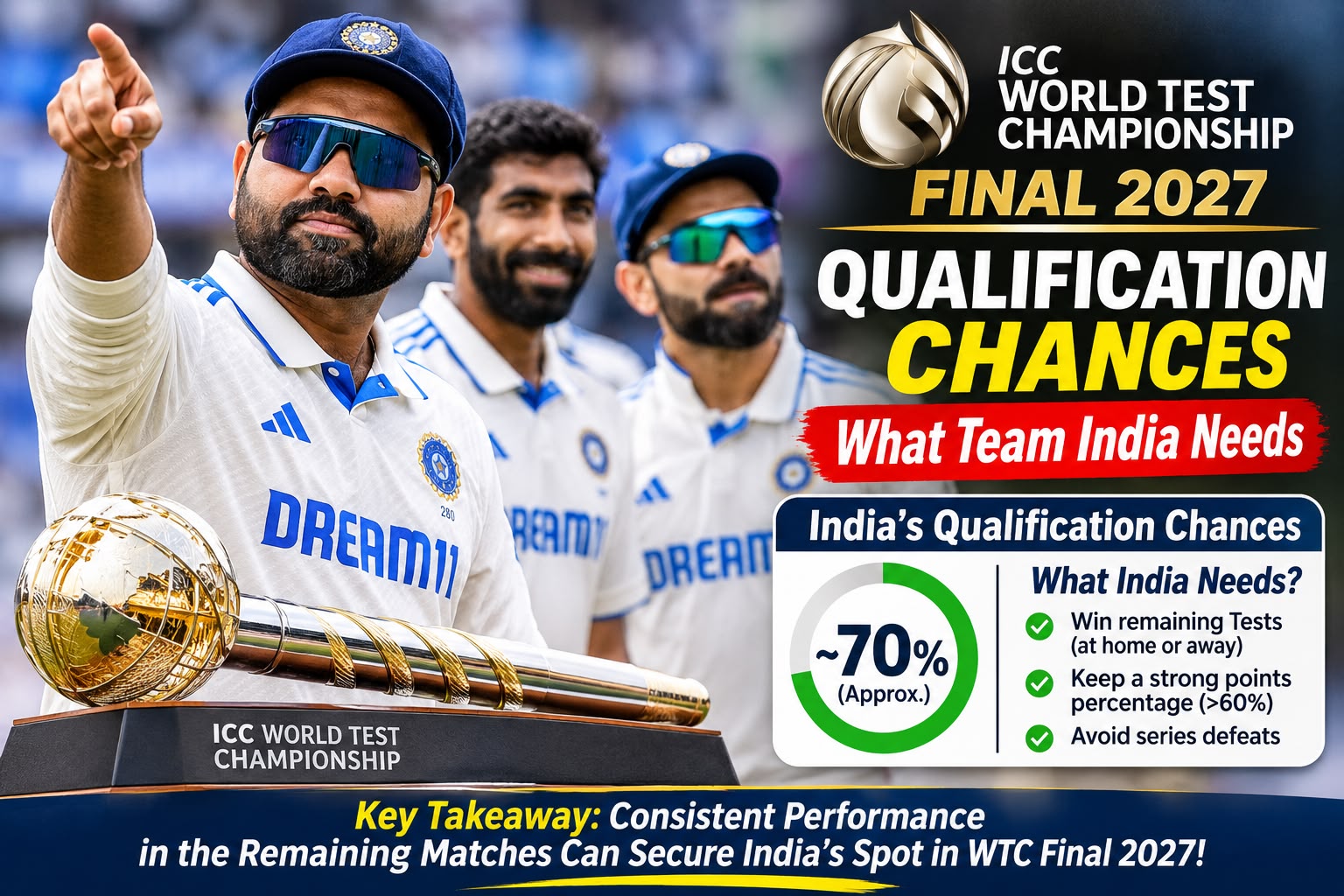
India WTC Final 2027 Qualification Chances: What Team India Needs
-
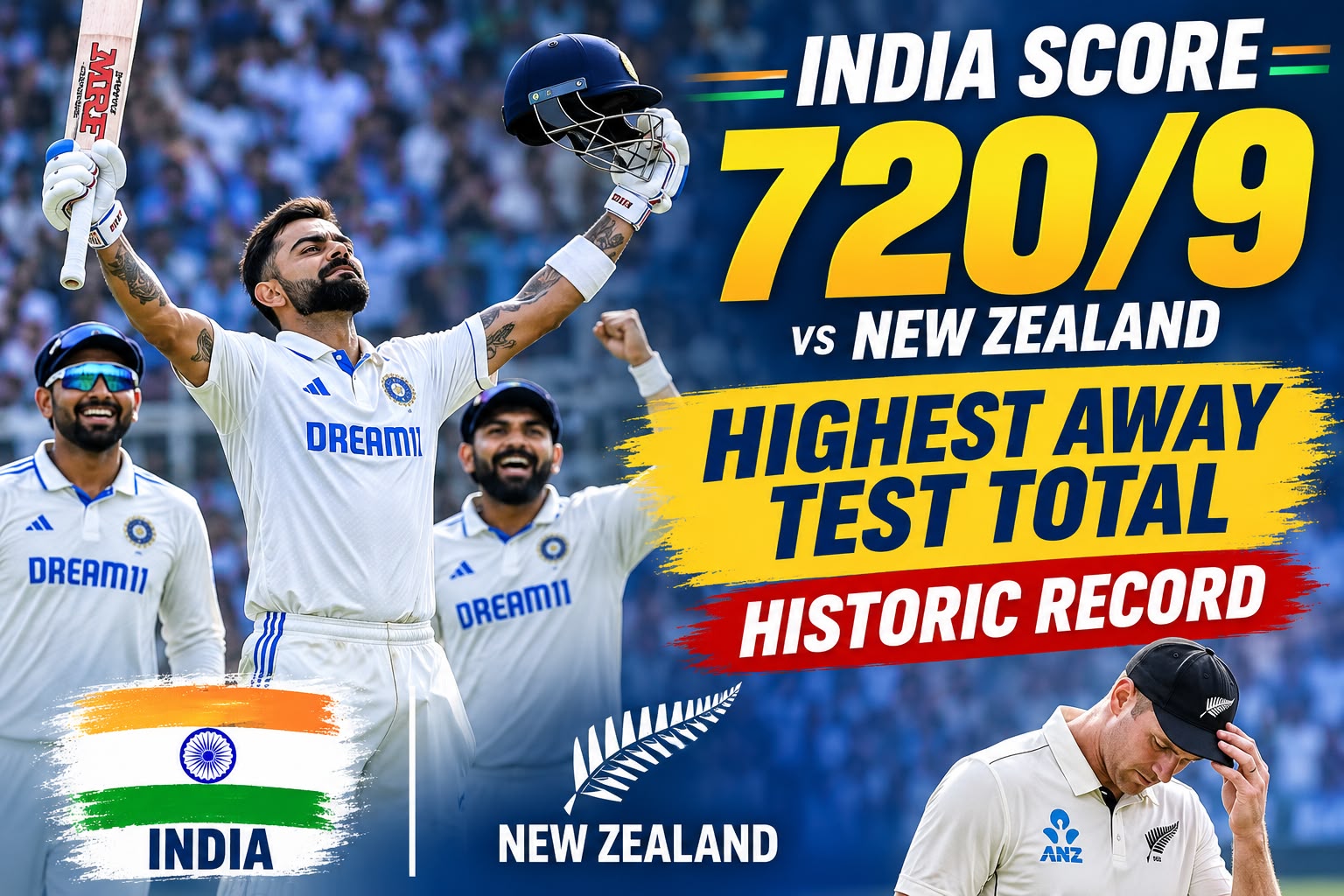
India Score 720/9 vs New Zealand: Highest Away Test Total, Historic Record
-

Georgia Beats South Carolina 34-6 to Clinch 2026 SEC Championship Berth
-

PM E-DRIVE Scheme Crosses 30 Lakh EV Sales Milestone
-
PM Modi's FICCI Speech 2026: Listen to Gandhi, Promote Swadeshi and Make India Self-Reliant
-
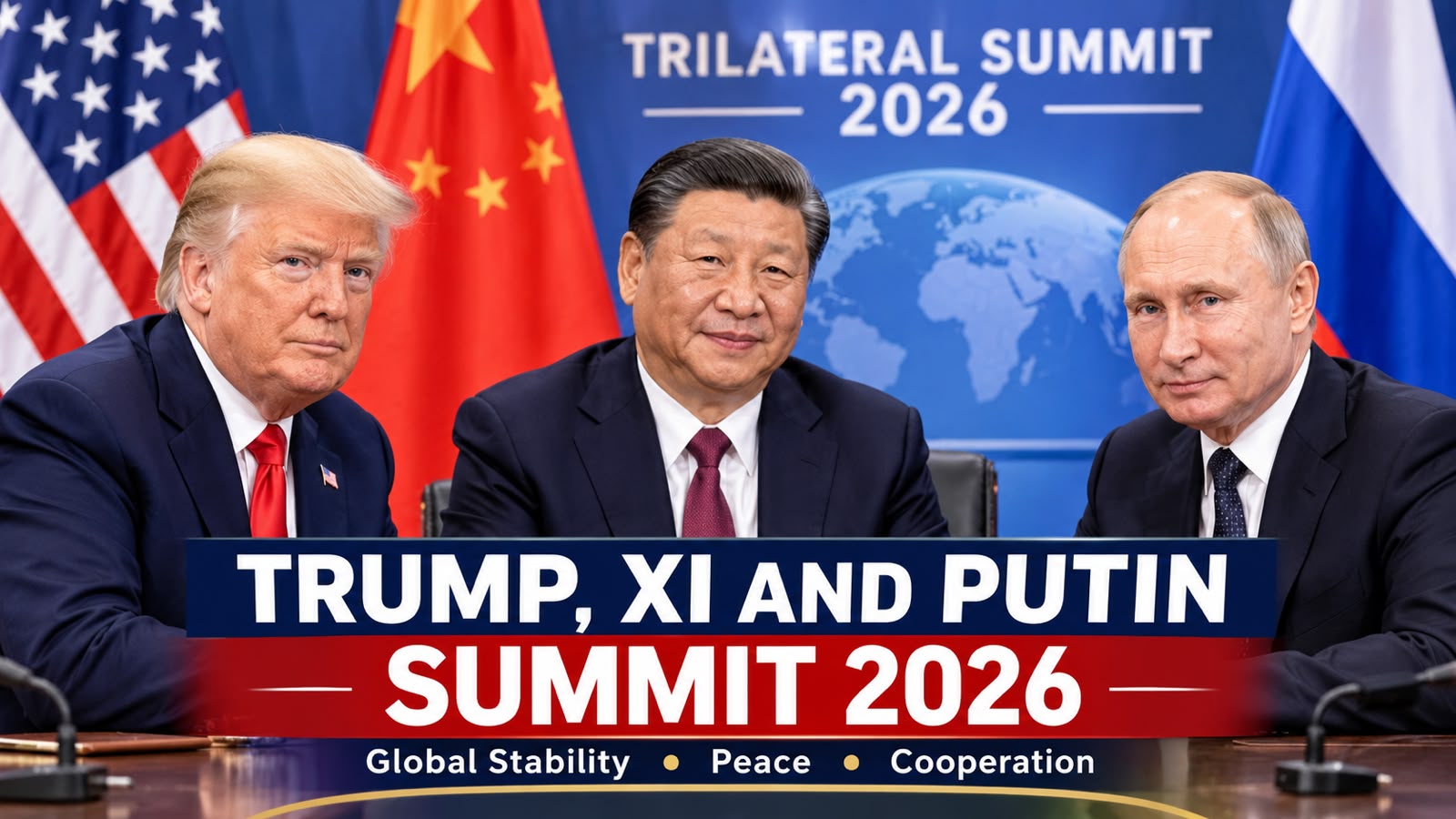
Trump, Xi and Putin Summit 2026: Key Agenda, Nuclear Weapons, Iran War and Ukraine
-

EV Sales Surge 69% in India During 2026 Festive Season
-
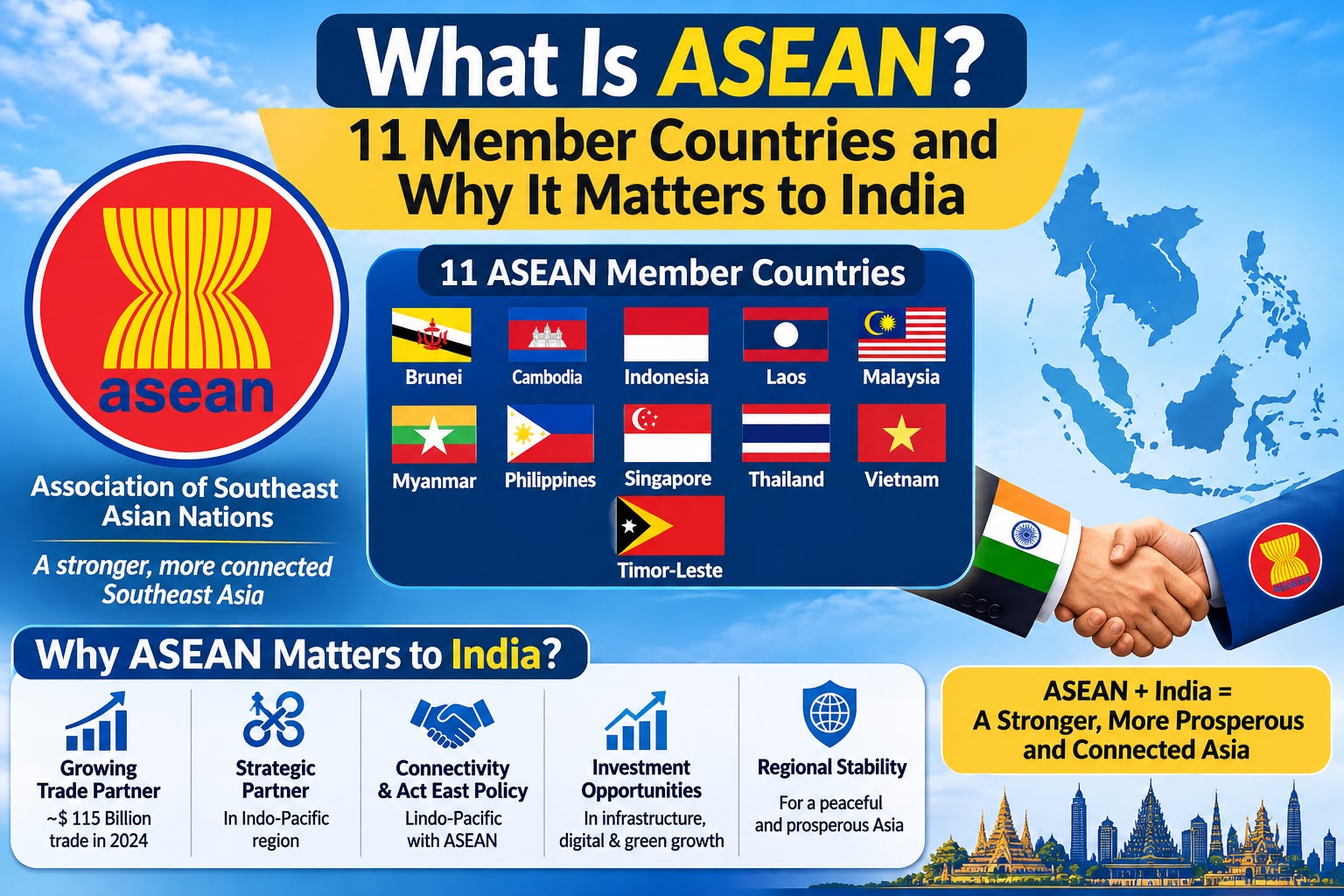
What Is ASEAN? 11 Member Countries and Why It Matters to India
-

India vs New Zealand 4th ODI: India Bowled Out for 89, Lose by 244 Runs
-
PM Modi to Launch Rs.15,600 Crore Development Projects in Bengaluru Today