

Ramayana Movie Review 2026: Ranbir Kapoor, Yash and Sai Pallavi Impress

Ramayana Movie Review 2026: Ranbir Kapoor, Yash and Sai Pallavi Deliver a Grand Mythological Spectacle
Ramayana: Part 1 Movie Review: Indian cinema's most ambitious mythological project has finally arrived in theatres. Directed by Nitesh Tiwari, Ramayana: Part 1 brings the timeless story of Lord Rama, Goddess Sita and Ravana to the big screen with an extraordinary cast, large-scale visual effects and an international musical collaboration between A. R. Rahman and Hans Zimmer.
Starring Ranbir Kapoor as Lord Rama, Sai Pallavi as Sita and Yash as Ravana, the film attempts to present one of India's most respected epics to a new generation of audiences while creating a cinematic experience that can attract viewers worldwide.
Released on November 5, 2026, the film has generated considerable excitement among movie lovers. Initial reviews have praised its grand visual presentation, performances and ambitious storytelling, although some critics have pointed out issues with pacing, background music and certain visual effects.
So, does Nitesh Tiwari's Ramayana live up to expectations? Here is our detailed review.
Ramayana: Part 1 – Movie Details
- Movie Name: Ramayana: Part 1
- Release Date: November 5, 2026
- Director: Nitesh Tiwari
- Producer: Namit Malhotra
- Lead Actor: Ranbir Kapoor
- Lead Actress: Sai Pallavi
- Antagonist: Yash
- Supporting Cast: Ravie Dubey, Arun Govil, Lara Dutta, Vivek Oberoi, Rakul Preet Singh, Kajal Aggarwal and others
- Music Directors: A. R. Rahman and Hans Zimmer
- Genre: Mythological, Action, Adventure, Drama
- Runtime: Approximately 3 hours and 15 minutes
- Languages: Hindi, Tamil, Telugu, Kannada and Malayalam
- Format: 2D, 3D and premium large-screen formats
Ramayana Movie Story: What Is the Film About?
The Ramayana is one of India's most celebrated epics, and its story has been retold through generations in books, television shows, theatre performances and films.
Nitesh Tiwari's adaptation revisits this timeless narrative with a modern cinematic approach.
The film introduces the journey of Dashanana, who eventually becomes the powerful king Ravana. Driven by ambition, devotion and the desire to establish his supremacy, Ravana gains extraordinary powers and challenges the balance of the universe.
Meanwhile, Lord Vishnu takes human form as Rama, the eldest son of King Dasharatha of Ayodhya. Rama grows up with strong values of righteousness, discipline, courage and respect for his family.
His marriage to Sita, the princess of Mithila, marks an important chapter in his life. However, circumstances change when Queen Kaikeyi invokes her two boons, forcing King Dasharatha to send Rama into a 14-year exile.
Rama accepts his father's promise without hesitation and leaves Ayodhya with Sita and his younger brother Lakshmana.
Their forest journey eventually brings them into conflict with Ravana. Following Sita's abduction, the film establishes the foundation for the legendary confrontation between Rama and Ravana.
Rather than simply presenting the final battle, Part 1 focuses on establishing the characters, their motivations and the events that lead towards the larger conflict.
Ranbir Kapoor as Lord Rama: A Career-Defining Performance
Ranbir Kapoor's casting as Lord Rama was one of the most discussed decisions surrounding the film.
Known for his performances in romantic dramas, intense character-driven films and commercial entertainers, Ranbir takes on a completely different responsibility in this mythological project.
His portrayal focuses on Rama's calm personality, moral strength, discipline and sense of responsibility.
The actor brings dignity to the character, particularly in scenes involving his exile, family relationships and confrontations with evil forces.
The action sequences also provide Ranbir with an opportunity to demonstrate a different side of his screen presence.
His performance is among the film's major strengths.
Yash as Ravana: One of the Biggest Highlights
Yash's portrayal of Ravana is another major attraction.
After gaining international recognition through the KGF franchise, Yash returns to the big screen in a character that requires a combination of power, intelligence, ambition and intensity.
The film explores Ravana beyond his identity as the antagonist, introducing his ambition, devotion and desire for supremacy.
His commanding screen presence gives the character a strong cinematic identity.
Several early reviews have highlighted Yash's performance as one of the most memorable aspects of the film.
Sai Pallavi as Goddess Sita
Sai Pallavi brings grace, emotional depth and dignity to the character of Sita.
The role demands more than visual presentation. Sita represents courage, patience, commitment and inner strength.
Sai Pallavi's natural acting style helps bring emotional sensitivity to the character.
Her chemistry with Ranbir Kapoor is important to the narrative, while her scenes involving Ravana establish the emotional foundation of the larger conflict.
Supporting Cast Adds Strength to the Story
The film features a large ensemble cast, with several actors portraying important characters from the Ramayana.
Ravie Dubey plays Lakshmana, while Arun Govil appears as King Dasharatha. Lara Dutta portrays Queen Kaikeyi, and Vivek Oberoi plays Vidyutjiva.
Other notable cast members include Rakul Preet Singh, Kajal Aggarwal, Kunal Kapoor and Anupam Kher.
Sunny Deol is associated with the role of Lord Hanuman, with his character's appearance being an important part of the larger two-part adaptation.
The supporting performances help establish the relationships, conflicts and emotional dimensions of the epic.
Visual Effects and Cinematography: A Massive Cinematic Experience
Visual presentation is one of the most important elements of Ramayana.
The filmmakers have attempted to create a detailed mythological universe featuring grand kingdoms, forests, supernatural elements and large-scale battle sequences.
The production design brings together traditional Indian cultural influences and modern filmmaking technology.
The film's visual effects are supported by DNEG, an internationally recognised visual effects studio.
The landscapes, action choreography and mythical environments give the project a scale rarely attempted in Indian mythological cinema.
However, the visual effects are not equally convincing throughout. Some scenes appear artificial, and certain computer-generated elements could have been more naturally integrated into the live-action sequences.
Despite these shortcomings, the film offers an impressive theatrical experience.
A. R. Rahman and Hans Zimmer: An International Musical Collaboration
One of the most interesting aspects of Ramayana is the collaboration between two internationally acclaimed composers, A. R. Rahman and Hans Zimmer.
Rahman brings his experience with Indian classical influences, emotional melodies and contemporary orchestration.
Hans Zimmer contributes his experience in creating large-scale cinematic background scores for international productions.
Their collaboration gives the film an international musical identity.
The background score works particularly well during several action sequences and important dramatic moments.
However, some reviews suggest that the music does not maintain the same impact throughout the film. The Raavan Tandav sequence has also emerged as a notable musical highlight.
What Works Well in Ramayana?
Several elements make Ramayana an important cinematic release of 2026.
- Ambitious production scale: The film attempts to recreate one of the world's most recognised mythological stories on a global cinematic canvas.
- Strong performances: Ranbir Kapoor, Yash and Sai Pallavi bring significant value to their respective roles.
- Grand action sequences: The battle choreography and supernatural elements provide several memorable moments.
- Visual presentation: The production design and large-scale environments create an impressive mythological atmosphere.
- International collaboration: The association of A. R. Rahman and Hans Zimmer makes the musical department particularly interesting.
What Could Have Been Better?
Despite its strengths, the film has some limitations.
- Pacing: Certain portions, especially in the first half, could have been tighter.
- Visual effects: Some CGI sequences do not appear completely natural.
- Background music: The musical impact varies between scenes.
- Emotional depth: Some relationships and character moments could have received more development.
These issues prevent the film from becoming a completely flawless cinematic experience.
Is Ramayana Worth Watching in Theatres?
Yes. Ramayana is particularly worth considering for audiences who enjoy mythology, Indian cultural stories, action films and large-scale cinematic productions.
The film's visual presentation, performances and ambitious approach make it more suitable for a big-screen experience.
Families, mythology enthusiasts and fans of Ranbir Kapoor and Yash may find plenty to appreciate.
However, viewers expecting a completely flawless adaptation should approach it with balanced expectations.
Ramayana Part 2: When Will the Next Film Release?
The story of Ramayana is planned as a two-part cinematic adaptation.
Following the release of Part 1, expectations are already building around the next instalment.
Producer Namit Malhotra has confirmed that Ramayana Part 2 is now expected to arrive during Diwali 2028, following a delay from its earlier planned schedule.
The second instalment is expected to continue the epic's larger conflict and bring the story towards its legendary conclusion.
Final Verdict: Is Ramayana a Must-Watch Movie?
Nitesh Tiwari's Ramayana: Part 1 is an ambitious attempt to bring India's timeless epic to a new generation through modern filmmaking technology.
Ranbir Kapoor delivers a dignified portrayal of Lord Rama, Sai Pallavi adds emotional sensitivity as Sita, and Yash makes a strong impression as Ravana.
The film's grand production design, large-scale action sequences and international musical collaboration make it an important release for Indian cinema.
Although uneven pacing and occasional visual shortcomings affect the overall experience, the film succeeds in delivering a compelling mythological spectacle.
Our Verdict: Ramayana: Part 1 is a recommended theatrical watch for fans of Indian mythology and large-scale cinema. It may not be perfect, but its ambition, performances and cinematic scale make it one of the most significant Indian film releases of 2026.
Editorial Rating: 4.5/5
The rating is our editorial assessment, not an official industry-wide rating.
What's Hot
-
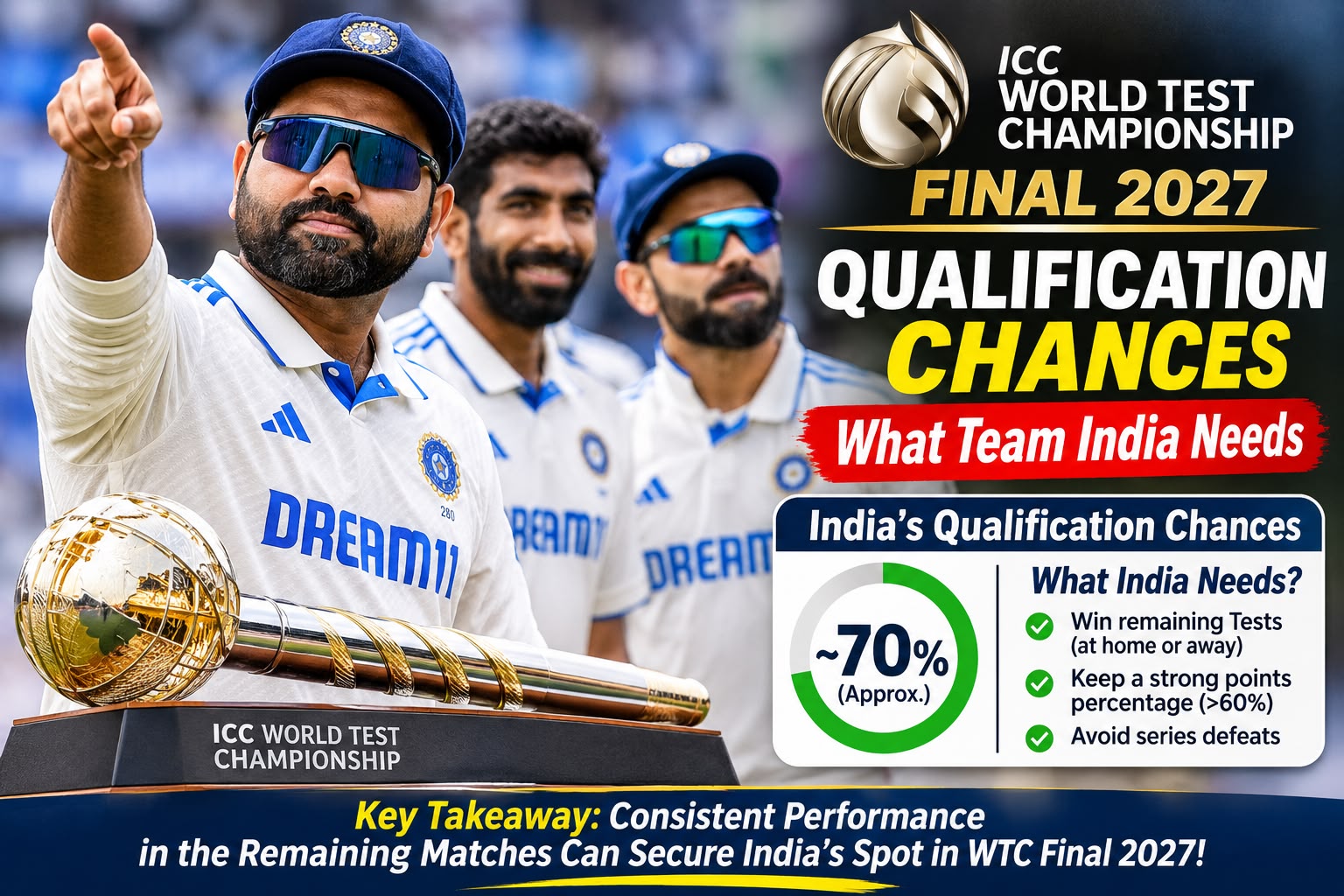
India WTC Final 2027 Qualification Chances: What Team India Needs
-
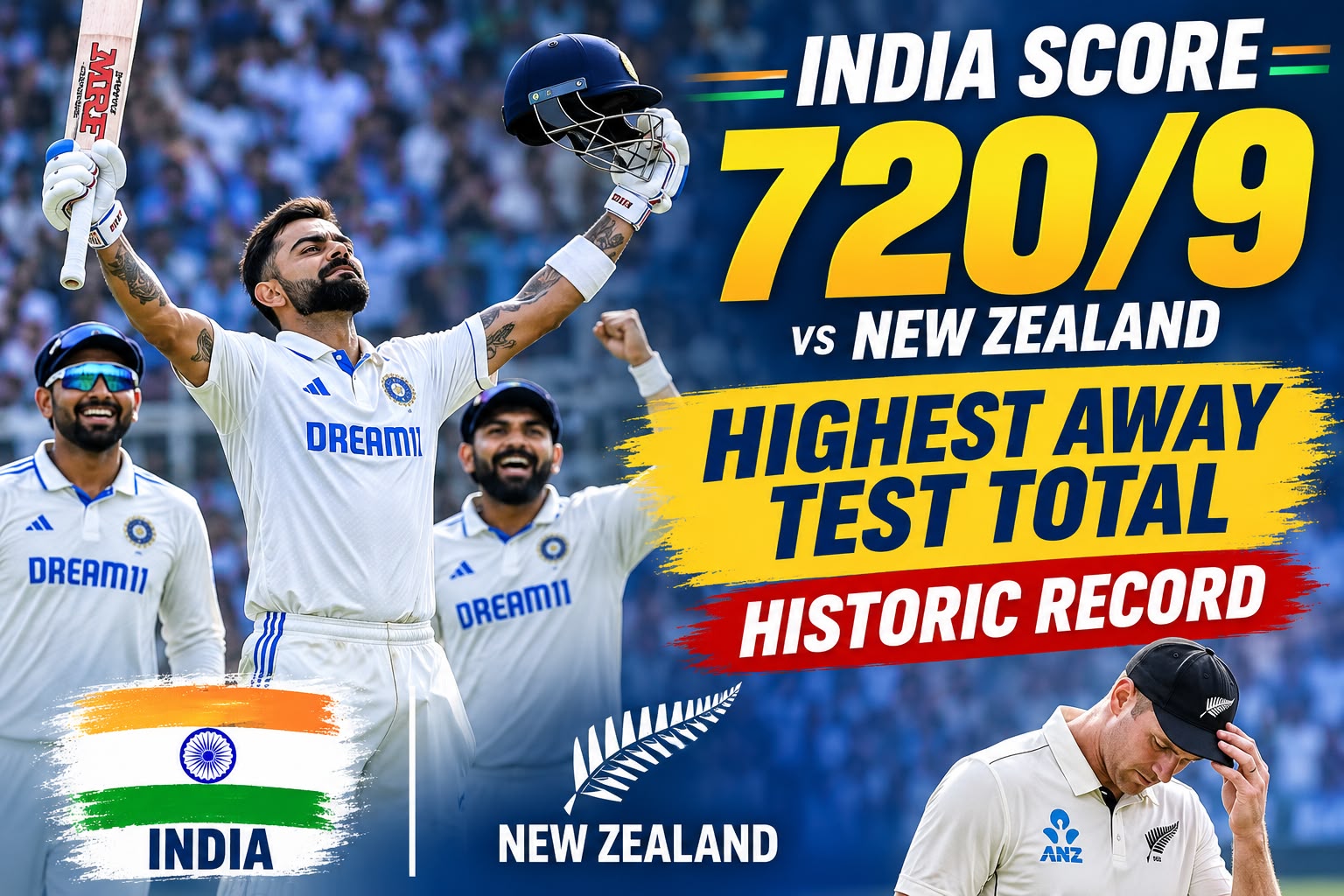
India Score 720/9 vs New Zealand: Highest Away Test Total, Historic Record
-

Georgia Beats South Carolina 34-6 to Clinch 2026 SEC Championship Berth
-

PM E-DRIVE Scheme Crosses 30 Lakh EV Sales Milestone
-
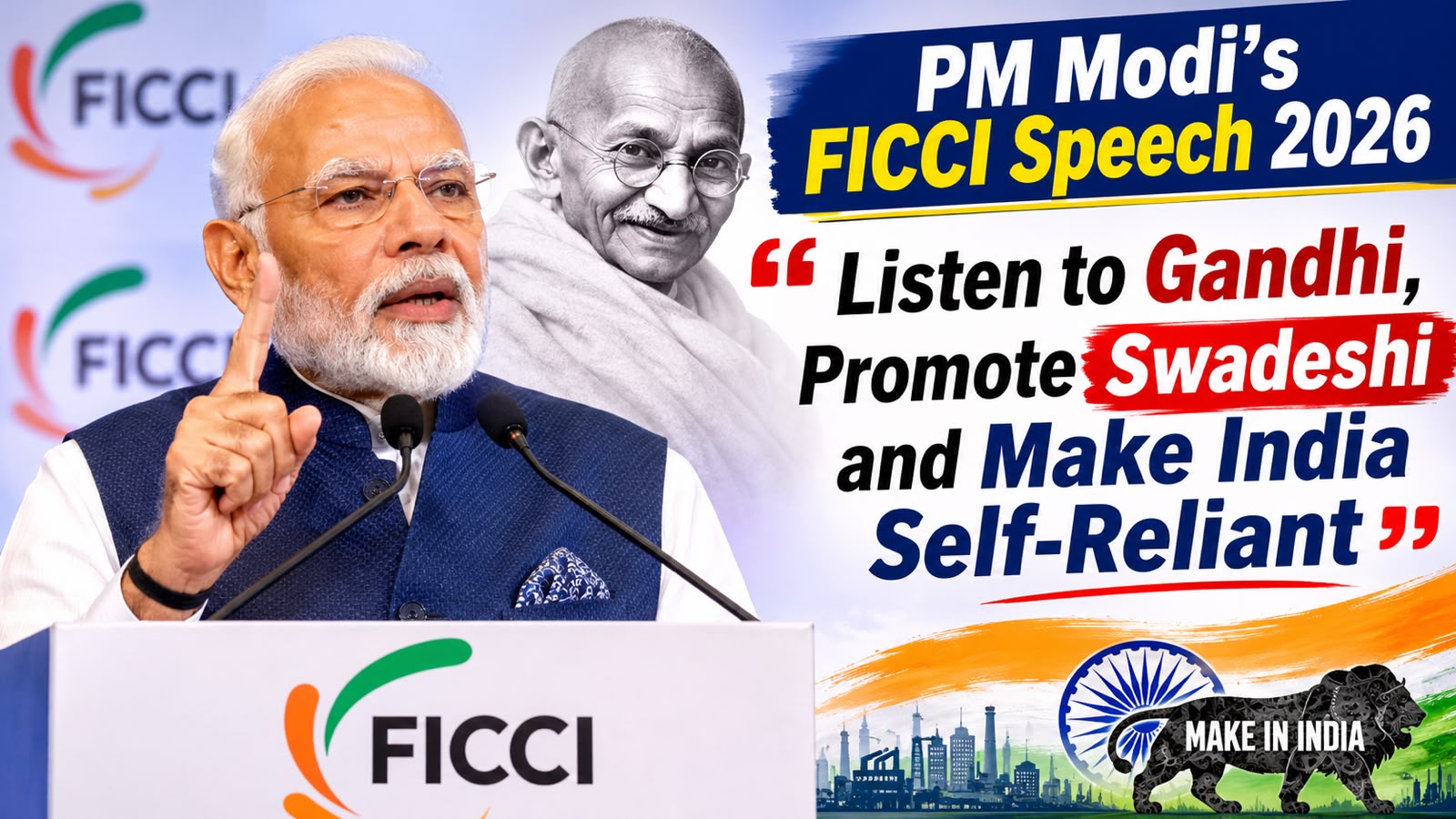
PM Modi's FICCI Speech 2026: Listen to Gandhi, Promote Swadeshi and Make India Self-Reliant
-

Trump, Xi and Putin Summit 2026: Key Agenda, Nuclear Weapons, Iran War and Ukraine
-

EV Sales Surge 69% in India During 2026 Festive Season
-

What Is ASEAN? 11 Member Countries and Why It Matters to India
-
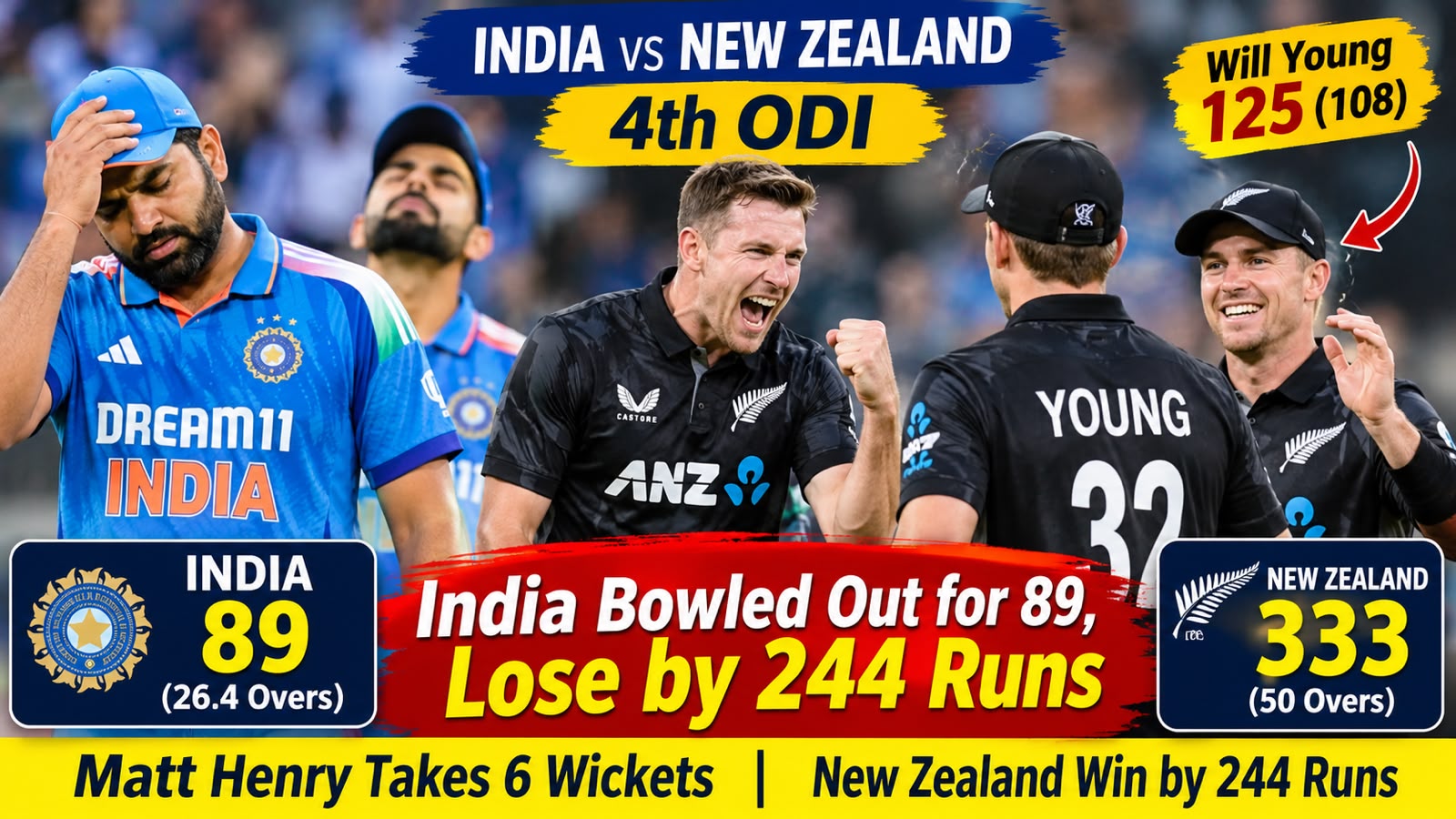
India vs New Zealand 4th ODI: India Bowled Out for 89, Lose by 244 Runs
-

PM Modi to Launch Rs.15,600 Crore Development Projects in Bengaluru Today