

Black Friday 2026: Date, History, Meaning, Shopping Deals & India
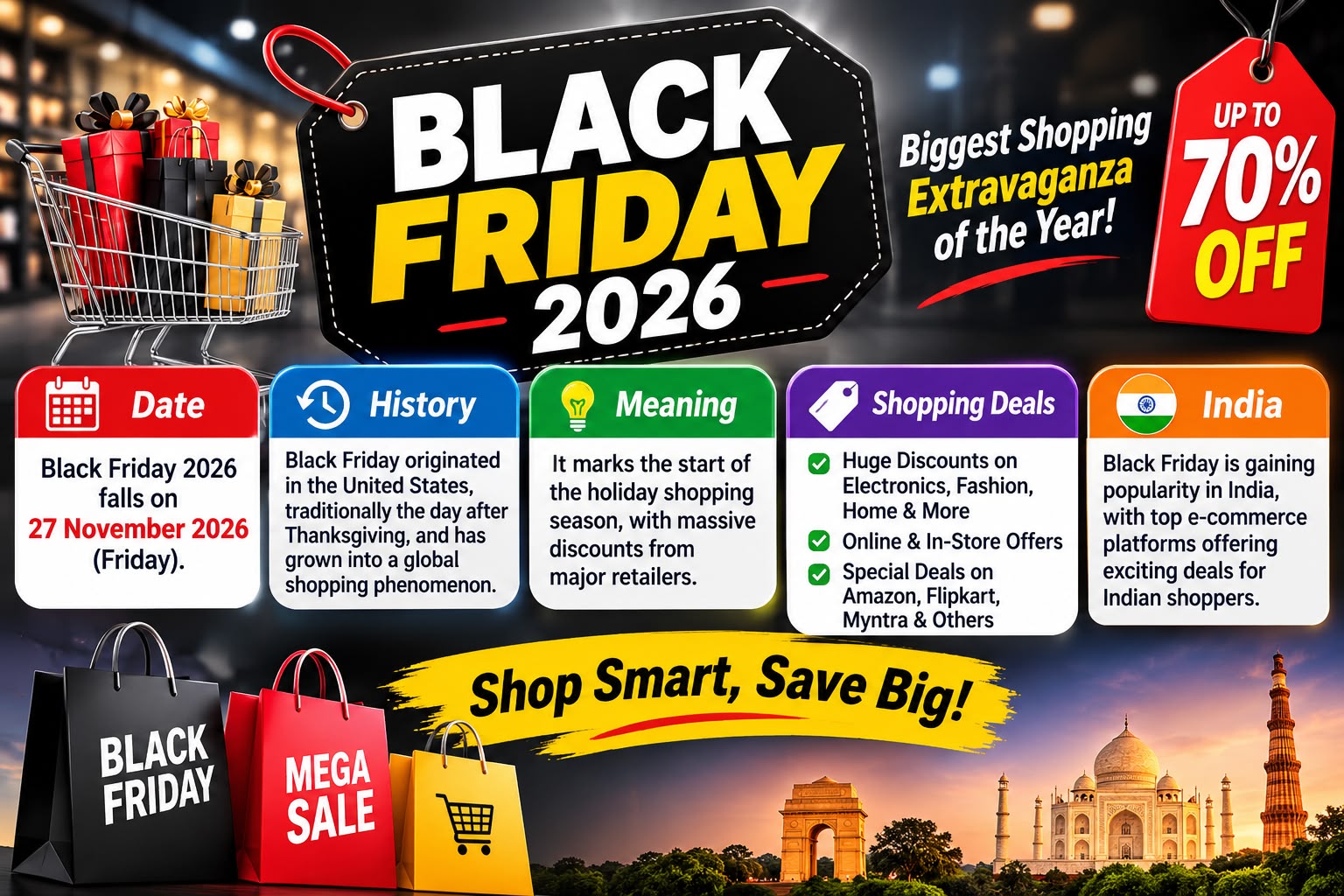
Black Friday 2026: What Is It, Why Is It Celebrated, History, Shopping Deals and Its Growing Popularity in India
Black Friday 2026 will be observed on November 27, marking one of the biggest shopping events of the year. Originating in the United States, Black Friday has evolved into a global retail phenomenon, with millions of consumers waiting for special discounts on smartphones, laptops, televisions, fashion, home appliances, beauty products and other lifestyle categories.
Although Black Friday is not a traditional festival, it has become an important event for retailers, e-commerce companies and consumers. The shopping event is closely connected with Thanksgiving in the United States and traditionally signals the beginning of the Christmas and New Year shopping season.
In recent years, Black Friday has also gained popularity in India, where online shopping platforms, international brands and major retailers have started using the occasion to attract customers with promotional offers.
But what exactly is Black Friday? Why is it called Black Friday? How did this shopping tradition begin, and why has it become so popular worldwide? Here is everything you need to know about Black Friday 2026.
When Is Black Friday 2026?
Black Friday is celebrated every year on the Friday immediately following Thanksgiving Day in the United States. Thanksgiving falls on the fourth Thursday of November.
In 2026, Thanksgiving will be celebrated on November 26, making November 27 the official Black Friday shopping day.
Important dates for Black Friday 2026:
- Thanksgiving Day: November 26, 2026
- Black Friday: November 27, 2026
- Black Friday weekend: November 28–29, 2026
- Cyber Monday: November 30, 2026
Many retailers begin their promotional campaigns before the official date and continue offering discounts throughout the weekend. Some brands even launch month-long November shopping campaigns.
What Is Black Friday?
Black Friday is an annual shopping event during which retailers offer special discounts, promotional deals and limited-period offers across different product categories.
It is particularly popular in the United States, where shoppers traditionally visit physical stores early in the morning to take advantage of discounted products. However, the growth of online shopping has transformed the event into a major digital shopping festival.
Consumers can find offers on products such as:
- Smartphones and electronic gadgets
- Laptops, tablets and computers
- Smart televisions and home entertainment systems
- Fashion, clothing and footwear
- Watches, bags and accessories
- Refrigerators, washing machines and kitchen appliances
- Furniture and home décor
- Beauty, skincare and personal care products
- Toys, gaming consoles and accessories
For retailers, Black Friday is an opportunity to increase sales, clear existing inventory and attract new customers before the end of the year.
For consumers, it provides an opportunity to purchase expensive products at potentially lower prices, provided they compare prices and check the actual discounts.
Why Is It Called Black Friday?
The name Black Friday has an interesting history, and its origin is often explained through two major developments.
1. The Philadelphia Connection
One of the most widely accepted explanations traces the term to Philadelphia during the 1950s and 1960s.
Police officers reportedly used the expression Black Friday to describe the heavy traffic, crowded streets and chaotic conditions that followed Thanksgiving.
Thousands of people visited the city to shop and attend the annual Army-Navy football game. The increased crowds created additional pressure on local authorities, transport systems and businesses.
The term gradually became associated with the busy shopping period after Thanksgiving.
2. The Retail Accounting Explanation
Another popular explanation is connected with traditional accounting practices.
Historically, businesses used two different ink colours in financial records:
- Red ink represented financial losses.
- Black ink represented profits.
Retailers often generated substantial sales during the post-Thanksgiving shopping period. The phrase moving from red to black became a popular way to describe businesses becoming profitable.
Although this explanation is widely repeated in marketing discussions, it is not the original historical source of the term. The Philadelphia connection came earlier.
History of Black Friday: How Did It Become a Global Shopping Event?
Black Friday did not become the world's biggest shopping event overnight. Its popularity developed over several decades.
During the middle of the 20th century, Thanksgiving became closely associated with family gatherings, shopping and the beginning of the Christmas retail season in the United States.
Retailers gradually recognised the commercial opportunity of the day after Thanksgiving. Department stores began promoting special offers to attract customers preparing for Christmas.
During the 1980s and 1990s, the term Black Friday became increasingly popular across the American retail industry. Businesses started using it as a marketing opportunity to announce major discounts and special shopping promotions.
The arrival of e-commerce completely transformed the event. Online retailers began offering Black Friday deals to customers who preferred shopping from home rather than visiting crowded stores.
Eventually, retailers in the United Kingdom, Europe, Canada, Australia and several Asian markets adopted the concept.
Today, Black Friday is recognised as a major global shopping event, with both physical retailers and online marketplaces participating.
Why Is Black Friday So Popular?
Black Friday has become popular because it benefits both retailers and consumers.
1. Attractive Shopping Discounts
One of the biggest reasons behind its popularity is the availability of special promotional prices. Consumers often wait for Black Friday to purchase premium electronics, branded fashion products and expensive household appliances.
2. Christmas and New Year Shopping
Black Friday takes place just before the Christmas shopping season. Consumers use the opportunity to purchase gifts for family members, friends and colleagues.
3. Competition Between Retailers
Major retailers compete to attract customers by introducing exclusive deals, cashback offers, promotional coupons and special bank discounts.
This competition makes the shopping period commercially important.
4. Growth of Online Shopping
E-commerce platforms have made Black Friday accessible to consumers who do not want to visit physical stores.
Customers can compare prices, check product specifications and purchase products through smartphones and computers.
5. Limited-Time Promotions
Many retailers announce limited-period deals and stock-based discounts. These campaigns create urgency and encourage customers to complete purchases during the promotional period.
Black Friday vs Cyber Monday: What Is the Difference?
Cyber Monday is another major shopping event that takes place on the Monday immediately after Black Friday.
It was introduced in the United States to encourage online shopping and became particularly popular as e-commerce expanded.
The traditional difference between the two events is that Black Friday was associated with physical retail stores, while Cyber Monday focused on online shopping.
However, this distinction has become less significant over time. Today, both events feature online promotions, digital discounts and special retail campaigns.
|
Feature |
Black Friday |
Cyber Monday |
|
Date in 2026 |
November 27 |
November 30 |
|
Origin |
United States |
United States |
|
Traditional focus |
Physical retail stores |
Online shopping |
|
Popular products |
Electronics, fashion, appliances |
Electronics, technology, fashion |
|
Shopping channels |
Online and offline |
Primarily online |
Black Friday vs Thanksgiving: Are They the Same?
No. Thanksgiving and Black Friday are two different occasions.
Thanksgiving is a traditional American holiday celebrated on the fourth Thursday of November. Families and friends gather for meals, express gratitude and spend time together.
Black Friday takes place the following day and is primarily associated with shopping and retail promotions.
Thanksgiving has cultural and historical significance in the United States, whereas Black Friday is largely a commercial event.
What to Expect From Black Friday 2026?
Black Friday 2026 is expected to bring promotional campaigns across major international shopping markets and participating Indian retailers.
Consumers will likely pay attention to deals on smartphones, laptops, gaming devices, home appliances, fashion and lifestyle products.
Online retailers may introduce early access offers, bank discounts, cashback promotions and limited-period deals before November 27.
However, actual discounts, participating brands and product availability will depend on individual retailers. Consumers should check official websites for confirmed offers rather than relying on unverified discount advertisements.
Conclusion: Black Friday Has Become a Global Shopping Tradition
Black Friday has transformed from a busy post-Thanksgiving shopping day in the United States into one of the world's most recognised retail events.
Its growth reflects the changing nature of consumer behaviour, the expansion of international brands and the increasing importance of e-commerce.
For Indian consumers, Black Friday offers another opportunity to explore promotional deals on electronics, fashion, home appliances and lifestyle products. As global shopping trends continue to influence India's retail industry, the event is likely to remain an important part of the annual promotional calendar.
Black Friday 2026 falls on November 27, and consumers looking for year-end shopping deals should keep an eye on participating retailers and their official announcements.
What's Hot
-
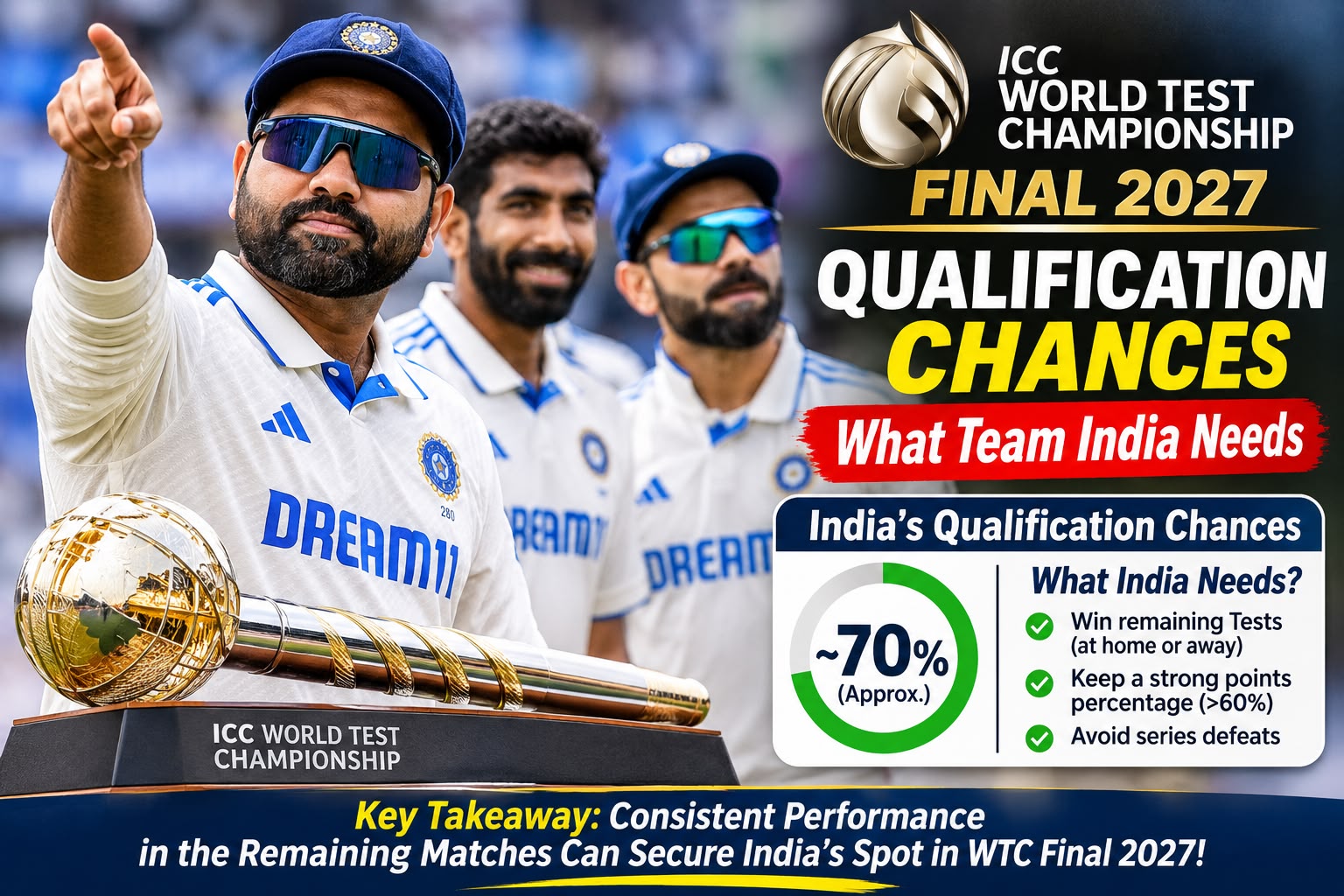
India WTC Final 2027 Qualification Chances: What Team India Needs
-
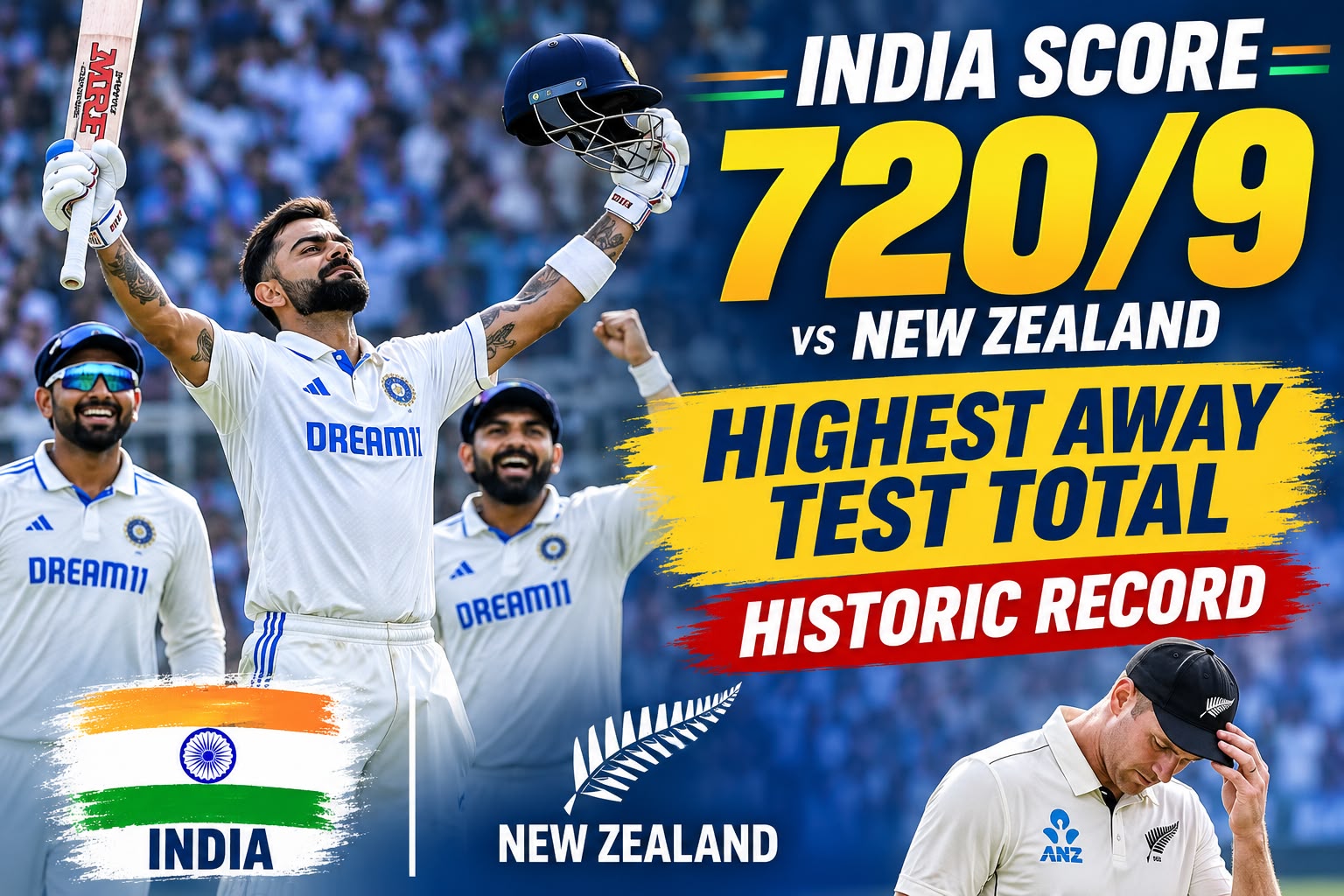
India Score 720/9 vs New Zealand: Highest Away Test Total, Historic Record
-
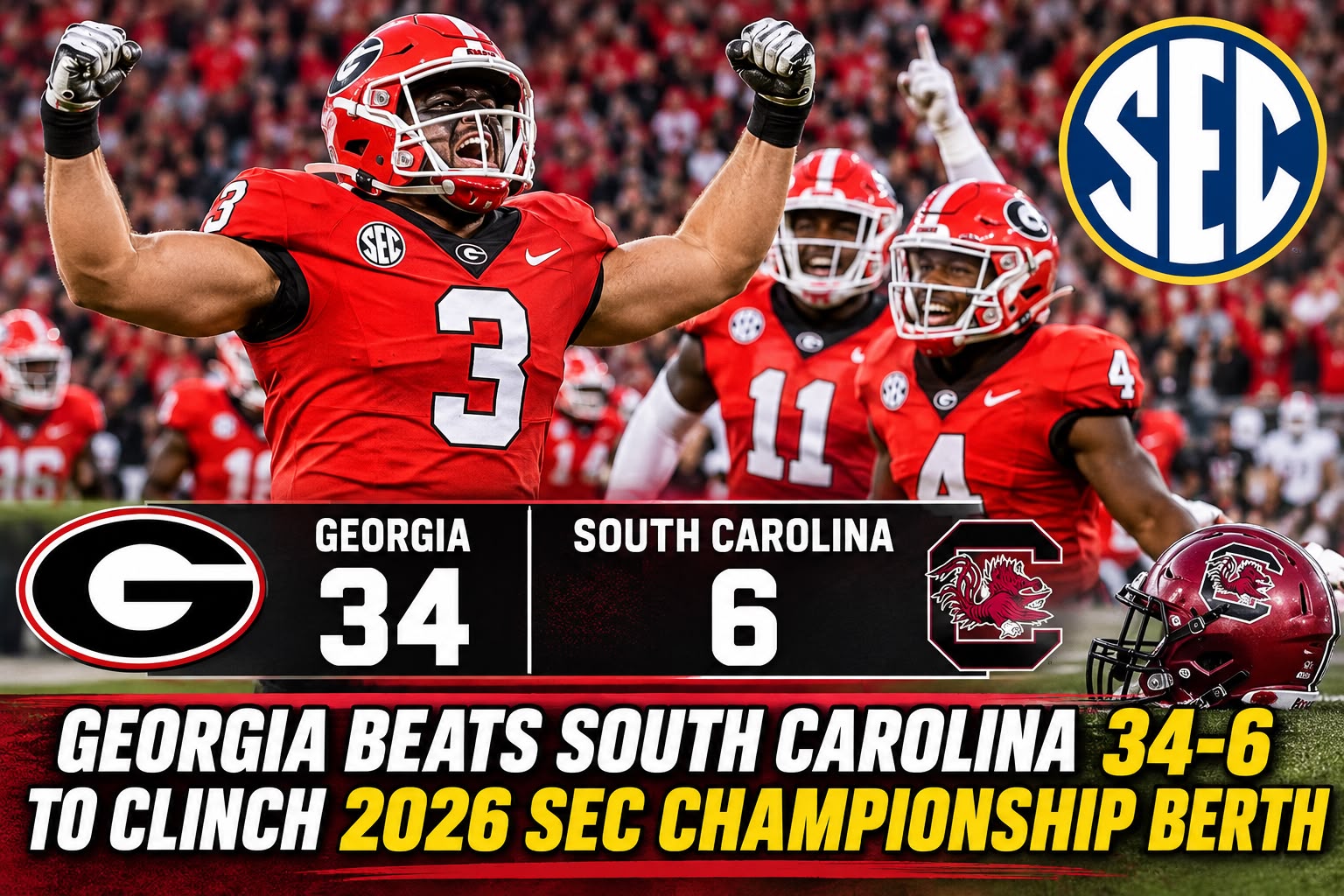
Georgia Beats South Carolina 34-6 to Clinch 2026 SEC Championship Berth
-

PM E-DRIVE Scheme Crosses 30 Lakh EV Sales Milestone
-
PM Modi's FICCI Speech 2026: Listen to Gandhi, Promote Swadeshi and Make India Self-Reliant
-

Trump, Xi and Putin Summit 2026: Key Agenda, Nuclear Weapons, Iran War and Ukraine
-

EV Sales Surge 69% in India During 2026 Festive Season
-

What Is ASEAN? 11 Member Countries and Why It Matters to India
-
India vs New Zealand 4th ODI: India Bowled Out for 89, Lose by 244 Runs
-
PM Modi to Launch Rs.15,600 Crore Development Projects in Bengaluru Today